
Wagner Spray Gun Sputtering: Here’s the 5-Minute Fix
Wagner spray gun sputtering usually means restricted paint flow, thick material, low pressure, or a dirty nozzle. Wagner spray guns can produce smooth, even coats, but sputtering quickly turns a simple paint job into a frustrating mess.
The good news is that the cause is often easy to find. This guide explains why Wagner spray gun sputtering happens, how to test each part, and how to restore a steady spray without wasting paint.
Why Is My Wagner Spray Gun Sputtering?
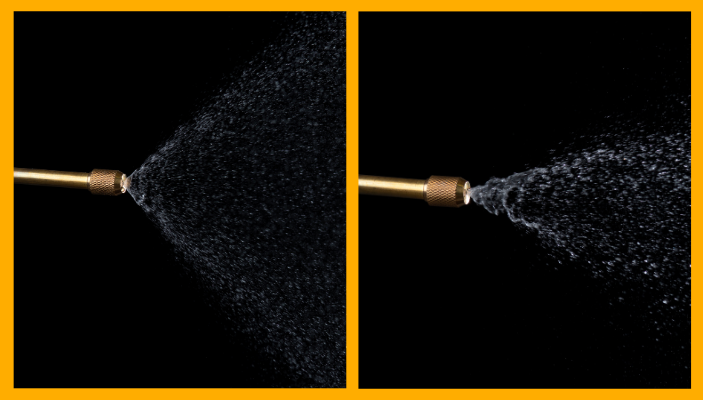
A Wagner spray gun sputters when paint and air do not move through the system at a steady rate. Instead of creating a fine, even mist, the gun spits drops, pulses, or sprays unevenly.
Most Wagner paint sprayers use airless, HVLP, or stationary turbine designs. Each type has different parts, but the basic problem is often the same: the sprayer cannot maintain a consistent paint supply.
Common causes include:
• Paint that is too thick or poorly mixed
• A clogged nozzle, tip, or filter
• Low material flow
• Low battery power on cordless models
• Loose parts that allow air to enter
• A dirty intake tube
• An incorrect spray setting
• Paint that contains lumps or dried skin
• A damaged seal or worn needle
• Holding the gun too far from the surface
A small blockage can act like a kink in a garden hose. The flow slows, pressure changes, and the spray begins to pulse.
Common Causes of Wagner Spray Gun Sputtering
Thick or Poorly Mixed Paint
Thick paint is one of the most common reasons for Wagner spray gun sputtering. Latex paint, primer, and some cabinet coatings may need thinning before they can pass through the nozzle.
However, do not thin paint by guesswork. Too much water or thinner can reduce coverage, cause runs, or affect the finish. Always read the coating label and check the Wagner manual for the correct material setting.
Before filling the cup or tank:
- Stir the paint until the color and texture look even.
- Strain it through a paint filter.
- Test a small amount in the sprayer.
- Add only the recommended thinner if the spray remains heavy.
A paint strainer is especially useful when using older paint. Small lumps may not be easy to see, but they can block the pickup tube or nozzle.
A Clogged Nozzle or Spray Tip
Paint residue can dry inside the nozzle after only a short break. This is a major cause of Wagner spray gun sputtering, especially when the gun is not cleaned right after use.
A partial clog may allow some paint through but not enough for a smooth stream. The result is pulsing, uneven coverage, or random drops.
Remove the nozzle according to the product manual. Soak removable parts in the cleaner approved for your paint. Do not push a hard wire through a precision nozzle, because it can enlarge or damage the opening.
A Dirty Filter or Pickup Tube
Many Wagner sprayers use a filter near the pickup tube or inside the gun. This filter catches debris before it reaches the nozzle. When it becomes blocked, the motor may run, but paint cannot flow properly.
A dirty pickup tube can cause similar symptoms. Check for:
• Paint skin inside the tube
• Dried paint around the filter
• Cracks in the tube
• A loose connection
• A tube that does not reach the paint
If the tube pulls air instead of paint, the gun may sputter even when the motor sounds normal.
Low Battery or Unstable Power
Cordless Wagner models can sputter when the battery is nearly empty. The motor may still run, but it may not maintain the pressure needed for an even spray.
For corded models, avoid using a damaged extension cord or a very long, lightweight cord. Voltage loss can reduce motor performance. Plug the sprayer into a suitable outlet and inspect the cord before testing it.
Incorrect Material or Spray Setting
A sprayer must match the paint. Thick primer and thin stain do not need the same material flow or spray pattern.
If the material flow is set too low, the gun may produce a weak, broken spray. If the air or pressure setting is too high, the paint may dry too quickly or create excessive overspray.
Start with the manufacturer’s recommended setting. Then make small changes while testing on cardboard.

How to Diagnose Wagner Spray Gun Sputtering
Troubleshooting works best when you change one thing at a time. If you thin the paint, replace the nozzle, and adjust the pressure at once, you may not know which step solved the problem.
Step 1: Stop and Unplug the Sprayer
Turn off the unit before removing the nozzle, filter, or cup. For airless models, release pressure exactly as the manual describes. Never place your hand in front of the spray tip.
Paint sprayers can inject material under high pressure. A tiny puncture may look harmless but can become a serious medical emergency. Use eye protection and work in a well-ventilated area.
Step 2: Check the Paint
Look at the paint in the container. It should be smooth and free of lumps, skin, or thick sediment.
Ask yourself:
• Is the paint approved for this sprayer?
• Was it mixed well?
• Was it strained?
• Is it too thick for the selected nozzle?
• Has it started to dry in the cup?
If you are unsure, test the paint with a small amount of the recommended thinner. Follow the coating maker’s instructions, not a random online ratio.
Step 3: Inspect the Nozzle and Filter
Clean the nozzle, filter, and pickup tube. Look for dried paint around seals and connections. Even a small gap can let air enter the system.
Replace parts that are cracked, swollen, or badly worn. Cleaning cannot repair a damaged seal or a nozzle that has lost its correct shape.
Step 4: Test the Spray Pattern
Spray onto cardboard or scrap wood. Hold the gun at a steady distance, usually about 6 to 12 inches, depending on the model and coating.
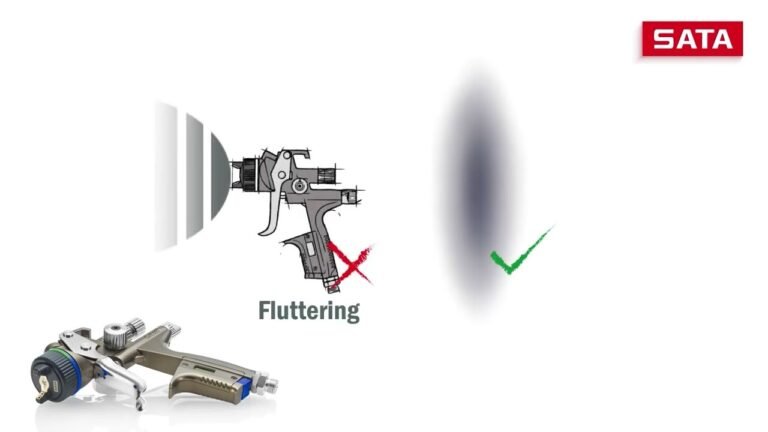
A healthy spray pattern should look fairly even. Heavy paint at one side may point to a partially blocked nozzle. A weak, broken pattern may suggest a flow problem or paint that is too thick.
Step 5: Check Your Technique
Moving the gun too slowly can make the finish look heavy. Moving too fast can create light, patchy coverage. Keep the gun parallel to the surface and start moving before pulling the trigger.
This simple habit prevents thick spots at the beginning and end of each pass.
How to Fix a Wagner Spray Gun That Is Sputtering
Clean the Sprayer Thoroughly
Cleaning is the first repair to try because dried paint affects nearly every part of the material path.
Follow this order:
- Empty unused paint from the cup or tank.
- Flush the sprayer with the correct cleaning liquid.
- Remove the nozzle and clean it carefully.
- Clean the filter and pickup tube.
- Wipe paint from seals and threads.
- Reassemble every part firmly.
- Test the sprayer with clean fluid or the correct paint.
Water-based coatings usually need water for the first rinse, followed by the cleaner recommended in the manual. Oil-based coatings may require mineral spirits or another approved solvent. Never mix cleaners or use a solvent that can damage plastic parts.
Thin the Paint Correctly
If cleaning does not stop Wagner spray gun sputtering, the paint may still be too thick.
Add a small amount of the correct thinner. Mix well and test again. Repeat only in small steps. Over-thinning can cause poor hiding, sagging, slow drying, and a weak finish.
Some modern paints are designed for brush or roller use and may not spray well, even after thinning. In that case, a different nozzle or a coating made for spraying may be a better choice.
Adjust the Material Flow
Increase the material flow slightly if the spray is too weak. If the gun spits large drops, reduce the flow and check the paint thickness.
Make adjustments in small steps. Large changes can hide the real problem and make the finish harder to control.
Tighten Loose Connections
Inspect the cup, nozzle, pickup tube, and other connections. A loose part may let air enter the paint path. That trapped air can create pulses and cause Wagner spray gun sputtering.
Do not overtighten plastic parts. Tighten them enough to create a secure seal without damaging the threads.
Replace the Nozzle or Seal
A worn nozzle may produce an uneven spray even when it looks clean. A damaged seal can also cause air leaks or poor material flow.
Use replacement parts made for your Wagner model. Parts that look similar may have different sizes or shapes, and the wrong part can create more problems.
How to Prevent Wagner Spray Gun Sputtering
Prevention is easier than repair. The best habit is to clean the sprayer immediately after each use. Paint that is wet now may become a hard plug after a few hours.
Use this short maintenance routine:
• Strain paint before adding it to the sprayer
• Do not leave paint sitting in the cup
• Flush the system after every job
• Clean the nozzle and filter
• Store the gun in a dry, protected place
• Inspect seals before large projects
• Use the correct thinner and cleaner
• Keep spare filters and nozzles available
• Test the spray pattern before painting the project
In my troubleshooting experience, one common mistake is cleaning only the visible parts. Users often wipe the outside of the gun but overlook the pickup tube, filter, and nozzle seat. Those hidden areas are where dried paint often causes the next failure.
Another useful lesson is to test before painting a wall, cabinet, or door. A one-minute cardboard test can reveal sputtering before it ruins a finished surface.

When Should You Stop Using the Sprayer?
Stop using the sprayer if it leaks, smells like burning plastic, makes unusual electrical sounds, or continues to lose power. Unplug the unit and inspect it only when it is safe to do so.
Do not open sealed electrical components unless you are qualified to repair them. The user manual can help identify parts that are safe to remove and clean.
You may need professional service when:
• The motor runs but the pump does not move material
• The sprayer leaks from the motor housing
• The power cord is damaged
• The trigger does not work correctly
• The unit overheats
• New parts do not solve the problem
• The spray remains unstable with clean, correct paint
A low-cost nozzle or filter is worth replacing. A major repair may not be practical on an older entry-level sprayer. Compare the repair cost with the price of a new unit and the time needed to complete the job.
Wagner Spray Gun Sputtering: Mistakes to Avoid
Several quick fixes can make the issue worse. Avoid these common mistakes:
• Do not use a drill bit to enlarge the nozzle. This changes the spray pattern.
• Do not spray paint that contains lumps or dried flakes.
• Do not use a cleaner that is unsafe for the sprayer’s seals.
• Do not keep spraying when the gun is producing large drops.
• Do not thin paint far beyond the coating label’s instructions.
• Do not point the sprayer at your hand to check the spray.
• Do not ignore the manual’s pressure or material guidance.
The most important safety point is to treat airless equipment with extra care. Airless sprayers can work at very high pressure, so pressure must be released before cleaning or removing a tip.
Frequently Asked Questions About Wagner Spray Gun Sputtering
Why is my Wagner spray gun sputtering with latex paint?
Latex paint may be too thick, poorly mixed, or not suited to the current nozzle. Strain the paint, check the manual, and thin it only as directed by the paint maker and Wagner.
Can a dirty nozzle cause Wagner spray gun sputtering?
Yes. A partial nozzle blockage interrupts material flow and can create pulses, spits, or an uneven pattern. Clean the nozzle with the approved method and replace it if it is damaged.
Why does my Wagner sprayer sputter only at the start?
Paint may be settling in the cup, or air may be trapped in the material path. Mix the paint, check the pickup tube, and allow the sprayer to run into a waste container briefly before testing the surface.
How do I stop Wagner spray gun sputtering with water-based paint?
Clean the nozzle, filter, pickup tube, and cup. Then strain the paint and confirm that its thickness matches the sprayer’s recommended range.
Can low battery power cause Wagner spray gun sputtering?
Yes. A weak battery may not provide steady motor power, especially with thicker coatings. Charge the battery fully and test the sprayer again before changing other settings.
Should I thin paint when my Wagner spray gun sputters?
Only if the paint is too thick for the sprayer and the product instructions allow thinning. Add a small amount of the correct thinner, mix well, and test the spray pattern after each adjustment.
Why is my Wagner spray gun spitting large drops?
Large drops usually point to thick paint, a clogged nozzle, low atomization, or an air leak. Clean the material path first, then check the paint and adjust the flow gradually.
Conclusion
Wagner spray gun sputtering is usually linked to thick paint, a blocked nozzle, a dirty filter, low power, air leaks, or an incorrect setting. Start with safe shutdown, clean the material path, strain and check the paint, then test small adjustments one at a time.
Regular cleaning is the best long-term fix. Take a few minutes to flush the sprayer after every project, and always test the spray on scrap material first. If this guide helped, explore more spray-finishing tips or share your troubleshooting experience in the comments.
One Comment
Comments are closed.