9 Causes Your Spray Gun Fluttering: Easy Fix for an Uneven Fan
Spray gun fluttering is pulsing airflow that causes uneven paint flow and spitting. If your fan pattern hiccups, your finish will too. As a refinisher and trainer, I’ve diagnosed spray gun fluttering on shop floors and in home garages. This guide explains what it is, why it happens, and exactly how to fix it. If you want smooth, repeatable results, stick with me and get spray gun fluttering under control.
What Is Spray Gun Fluttering?
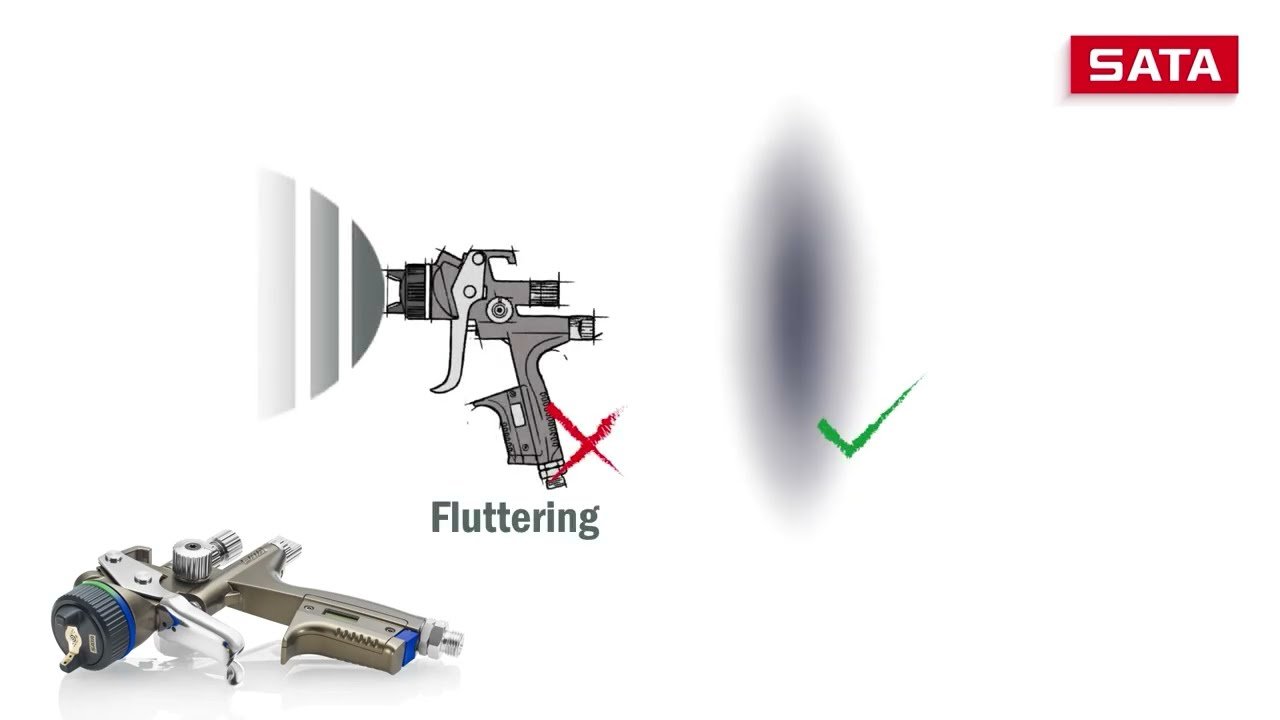
Spray gun fluttering is a rapid pulse in air or fluid flow. You hear a soft chuff-chuff sound and see a sputter or surge at the tip. The fan pattern looks patchy and the paint lays down in waves.
It can happen on HVLP, LVLP, and conventional guns. It can show up with gravity cups, siphon cups, or pressure pots. The cause is almost always a leak, a blockage, or a mismatch in setup.
Common signs include:
- Inconsistent fan with light and dark bands
- Spitting droplets at the start or end of the pass
- Pressure gauge needle bouncing while spraying
- Finish issues like dry spray or tiger striping
Spray gun fluttering wastes paint and time. It also hurts finish quality and morale. The good news is that most fixes are simple once you know where to look.
Spray Gun Spraying Large Droplets: 7 Steps To Fixes And Settings
Why Spray Gun Fluttering Happens
Most spray gun fluttering comes from air getting where it should not, or from fluid not getting where it should. Think of the system as a set of sealed straws. Any small leak or clog makes the flow pulse.
Typical causes:
- Air leaks at the gun, cup, or fittings. Loose air cap, worn O-rings, or cracked hoses cause surges.
- Blocked vent on a gravity or siphon cup. If the cup cannot breathe, fluid flow stalls, then surges.
- Low fluid level or tilting the cup. The pickup sucks air and makes the fan stumble.
- Worn fluid nozzle or needle. Wear creates gaps that pull in air and break the fluid stream.
- Thick material or wrong reducer. High viscosity starves the tip, then releases.
- Dirty or undersized filters. A clogged strainer pulses flow under demand.
- Regulator or compressor pulsation. Small tanks or weak regulators can cause pressure waves.
- Loose needle packing or damaged seals. Internal leaks cause irregular flow under trigger.
A quick story from my booth: I chased spray gun fluttering on a metallic base that kept mottling. The fan looked fine on paper but surged on panels. The fix was a new cup gasket and a cleaned vent. Ten minutes of work saved a full re-spray.
How Flutter Affects Finish Quality and Efficiency
Spray gun fluttering shows up in the finish. You can see it and you can feel it. The coat lacks uniform film build, and that ruins the look.
Common defects linked to flutter:
- Patchy coverage and tiger striping on base coats
- Orange peel from uneven atomization
- Mottling and streaks on metallics and pearls
- Edge build-up from stop‑start surges
- Extra dust nibs as droplets dry mid-air
It also burns money. Flutter raises overspray and wastes material. It adds passes, rework, and fatigue. Shops that fix it see faster cycles and cleaner results.
Step-by-Step troubleshooting Guide
Follow these steps in order. You will find most spray gun fluttering within the first few checks.
- Safety and baseline
- Wear PPE. Check product sheet for mix, tip size, and pressure.
- Use a clean test panel and a pattern card.
- Air system checks
- Set gun inlet pressure with the trigger pulled.
- Watch the gauge for bounce. If it swings, test with a known-good regulator and longer hose.
- Drain water traps. Moisture can cause spitting.
- Cup and vent
- Inspect the cup lid, gasket, and threads. Replace flattened or cracked gaskets.
- Clear the vent hole with a soft brush or tip cleaner.
- Keep at least one-third full and hold the gun level.
- Fluid delivery
- Strain material through a fresh filter. Use the mesh size the paint maker suggests.
- Check viscosity with a simple cup. Reduce to spec for the tip size.
- Try a larger tip if the paint is on the thick side.
- Nozzle, needle, and air cap
- Remove, clean, and inspect under light. Look for nicks or wear rings.
- Replace worn nozzle sets as a matched pair.
- Seat the air cap snug. Do not over-tighten.
- Needle packing and seals
- If you feel drag or see weeping at the needle, adjust or replace the packing.
- Lube moving parts with a non-silicone gun lube.
- Pattern test
- Spray a quick burst on masking paper. Look for a smooth oval with even edges.
- If you see streaks or spits, rotate the cap 180 degrees. If the defect moves, the cap or nozzle is the issue.
- Isolate variables
- Swap to a spare cup, hose, or regulator. One change at a time.
- If a pressure pot is pulsing, check the pot regulator and the fluid line check valve.
- Final pass
- Confirm smooth fan at working distance. If flutter remains, replace the seal kit or the nozzle set.
These steps solve most spray gun fluttering in minutes. Document what you changed so you can repeat the fix later.
Preventive Maintenance and Setup Best Practices
A clean, sealed system will not flutter. Build these habits into your setup.
Daily habits:
- Strain all materials, even fresh cans.
- Check cup gasket, vent, and threads.
- Set pressure with trigger pulled and fan wide open.
After each session:
- Flush with compatible cleaner until clear.
- Remove and clean the air cap and nozzle. Use soft brushes only.
- Wipe needle, then add a drop of lube on moving joints.
Weekly checks:
- Inspect hoses and quick connects for nicks or leaks.
- Verify regulator accuracy against a known-good gauge.
- Replace worn filters and keep spares on hand.
Small steps prevent big issues. These habits keep spray gun fluttering away before it starts.
Spray Gun Sputtering: 5 Quick Fixes to Stop Ruining Your Paint Job
Choosing the Right Equipment and Consumables
Your setup can create or cure spray gun fluttering. Match the tool to the task.
Guns and tips:
- HVLP favors control and low overspray. LVLP works with smaller compressors.
- Choose the tip size the paint maker calls for. Too small starves flow.
Cups and pots:
- Gravity cups are simple and reliable. Keep vents clean.
- Pressure pots need a stable regulator and an anti-pulsation hose.
Air system:
- Use a quality regulator at the gun.
- Choose a hose with enough inner diameter for the CFM your gun needs.
- Add a short whip hose to reduce hand fatigue and keep flow steady.
Consumables:
- Keep cup gaskets, O-rings, and seal kits in stock.
- Use fresh strainers with the right mesh for base, clear, and primers.
Right gear reduces risk. It also makes spray gun fluttering easier to diagnose if it ever shows up.

Advanced Diagnostics and Pro Tips
When basic checks are not enough, try these quick tests.
Leak checks:
- Pressurize the system and brush on a mild soapy solution. Bubbles reveal leaks.
- Lightly wet the cup gasket and watch for suction loss when you trigger.
Flow checks:
- Fill the cup with water and test-spray. If the flutter vanishes, the paint mix is too thick or the strainer is wrong.
- Add a short air reservoir or longer hose to dampen compressor pulses.
Technique tweaks:
- Start the air slightly before the fluid. Finish the pass the same way.
- Keep travel speed steady and overlap at 70 percent.
From long hours in the booth, I learned to trust my ears. A soft chuff means air leak. A sharp spit means blockage. Listening speeds up the fix and cuts guesswork on spray gun fluttering.
Frequently Asked Questions
What causes spray gun fluttering the most?
Air leaks and blocked vents are top causes. Worn nozzle sets and thick material also play a big role.
How do I fix spray gun fluttering fast?
Check the cup vent and gasket first, then set pressure with the trigger pulled. Clean the nozzle and cap, and strain the paint.
Can low paint level in the cup cause flutter?
Yes. When the pickup draws air, flow pulses and the fan stumbles. Keep the cup at least one-third full.
Does paint viscosity affect spray gun fluttering?
It does. Paint that is too thick starves the tip, then surges, which feels like flutter.
Why does my HVLP gun sputter after cleaning?
Residue in the air cap holes or a mis-seated nozzle can cause sputter. Re-seat parts gently and clean with soft brushes only.
Can a bad regulator make the gun flutter?
Yes. A weak or sticking regulator can pulse under demand. Test with a known-good unit to confirm.
Will a worn needle packing cause spray gun fluttering?
It can. Loose or worn packing lets air and fluid leak, which makes flow unstable.
Conclusion
Spray gun fluttering is a flow problem with clear causes and simple fixes. Check the vent, seals, and setup, then verify pressure and viscosity. With clean parts and a steady air supply, your fan will be smooth and your finish will shine.