A Complete Guide To HVLP Spray Gun: Everything You Need to Know for Your Next Project
An HVLP spray gun can turn a slow paint job into a smooth, clean, and more controlled task. It uses a large volume of air at low pressure to break paint into fine drops. This helps reduce overspray and gives you better control than many standard spray tools.
Whether you are painting cabinets, furniture, doors, trim, vehicles, or small crafts, the right HVLP spray gun can save time and improve the finish. Still, good results depend on more than buying a gun. You must choose the right tip, set the air and fluid controls, prepare the paint, and clean the tool after each use.
This guide explains how an HVLP spray gun works, which materials it can spray, how to choose the right model, and how to avoid common problems. It also compares HVLP systems with LVLP, airless, and conventional spray guns.
What Is an HVLP Spray Gun?
An HVLP spray gun is a paint sprayer that uses high air volume and low air pressure. The air breaks liquid paint into small droplets and carries them toward the surface. The process gives the user more control and often creates less overspray than a high-pressure spray gun.
HVLP spray guns are common in home workshops, auto shops, furniture studios, and cabinet shops. They can provide a smooth finish, but they usually work more slowly than airless sprayers. They also need careful setup and cleaning.

What Does HVLP Stand For?
HVLP stands for High Volume Low Pressure. “High volume” means the gun needs a large amount of air. “Low pressure” means that air reaches the paint at a lower pressure than it does in a conventional spray gun.
This design helps improve transfer efficiency. More paint reaches the work surface, while less paint floats away as mist. The exact pressure and airflow depend on the gun, tip, paint, and manufacturer instructions.
How Does an HVLP Spray Gun Work?
An HVLP spray gun mixes paint with air at the front of the tool. When you pull the trigger, air begins to flow. The fluid needle then moves away from the nozzle, allowing paint to leave the gun.
The air cap shapes the spray into a fan. The paint leaves as many small drops instead of one thick stream. Your hand speed, gun distance, paint thickness, and settings all affect the final finish.
What Makes an HVLP Spray Gun Different From a Regular Spray Gun?
A conventional spray gun uses much higher air pressure to atomize paint. It can work fast, but high pressure may create more overspray and waste. An HVLP gun uses more air at lower pressure, so it is often easier to control.
HVLP models may require a larger compressor or a turbine. They also tend to apply paint at a slower rate. For detailed work, that slower speed can be a benefit.

Where Are HVLP Spray Guns Commonly Used?
HVLP spray guns are used for cabinets, furniture, doors, trim, wood stain, clear coat, and automotive coatings. They are also useful for crafts and small repair work.
Many users choose HVLP for projects where surface quality matters. The tool is less suited to very large walls, roofs, or fences, where speed is more important than fine control.
How Does an HVLP Spray Gun Work?
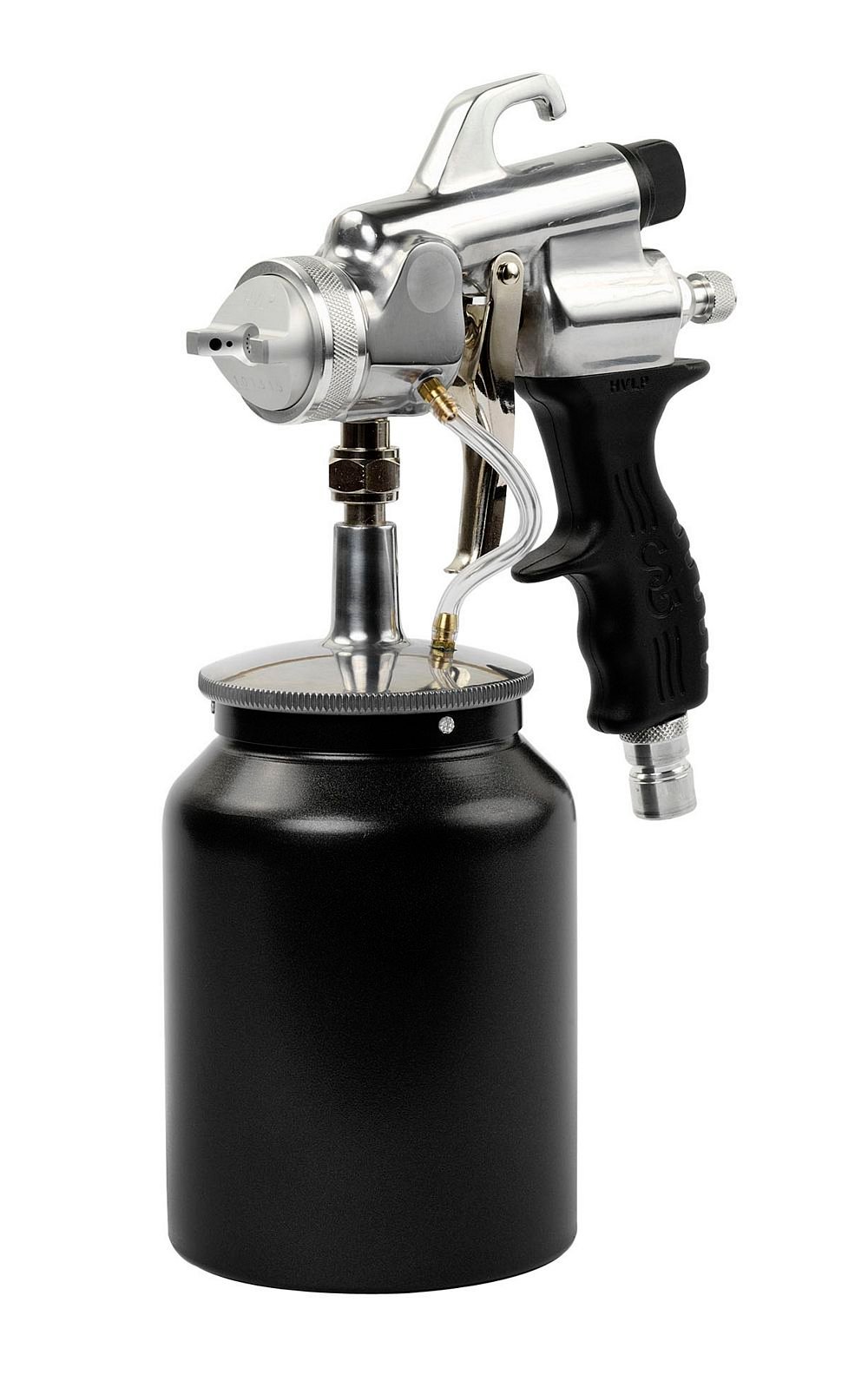
An HVLP spray gun has several parts that work together. The air source supplies pressure, the air cap shapes the spray, and the fluid system controls paint flow. The cup stores the coating and feeds it into the gun.
Correct setup is important. Too little air can create large drops, while too much fluid can cause runs. A clean gun and properly mixed paint are the base of a smooth finish.
The Role of the Air Cap and Atomizing Air
The air cap sits at the front of the spray gun. It has small holes that direct air around the paint stream. This air breaks the paint into droplets and shapes the spray pattern.
If the air cap is dirty, the pattern may become uneven. Dried paint can block one or more holes. Clean the cap with the proper brush and solvent, and never damage its small openings with a hard wire.
How the Fluid Needle and Nozzle Control Paint Flow
The fluid needle moves in and out of the fluid nozzle. When the trigger is pulled, the needle opens the passage and allows paint to flow. The nozzle size affects how much material can leave the gun.
A small tip suits thin coatings. A larger tip helps thicker materials, such as primer. The needle and nozzle must match as a set, so use parts made for your gun.
How the Paint Cup Feeds Material Into the Gun
A gravity-feed cup sits above the gun. Gravity helps move paint into the fluid passage. This design often uses less air and paint, making it popular for cabinets, furniture, and detail work.
A siphon-feed cup sits below the gun. Air pressure creates suction that pulls paint upward. Pressure-feed systems use added pressure in the cup and can handle larger jobs or thicker coatings.
Turbine HVLP vs. Compressor-Powered HVLP
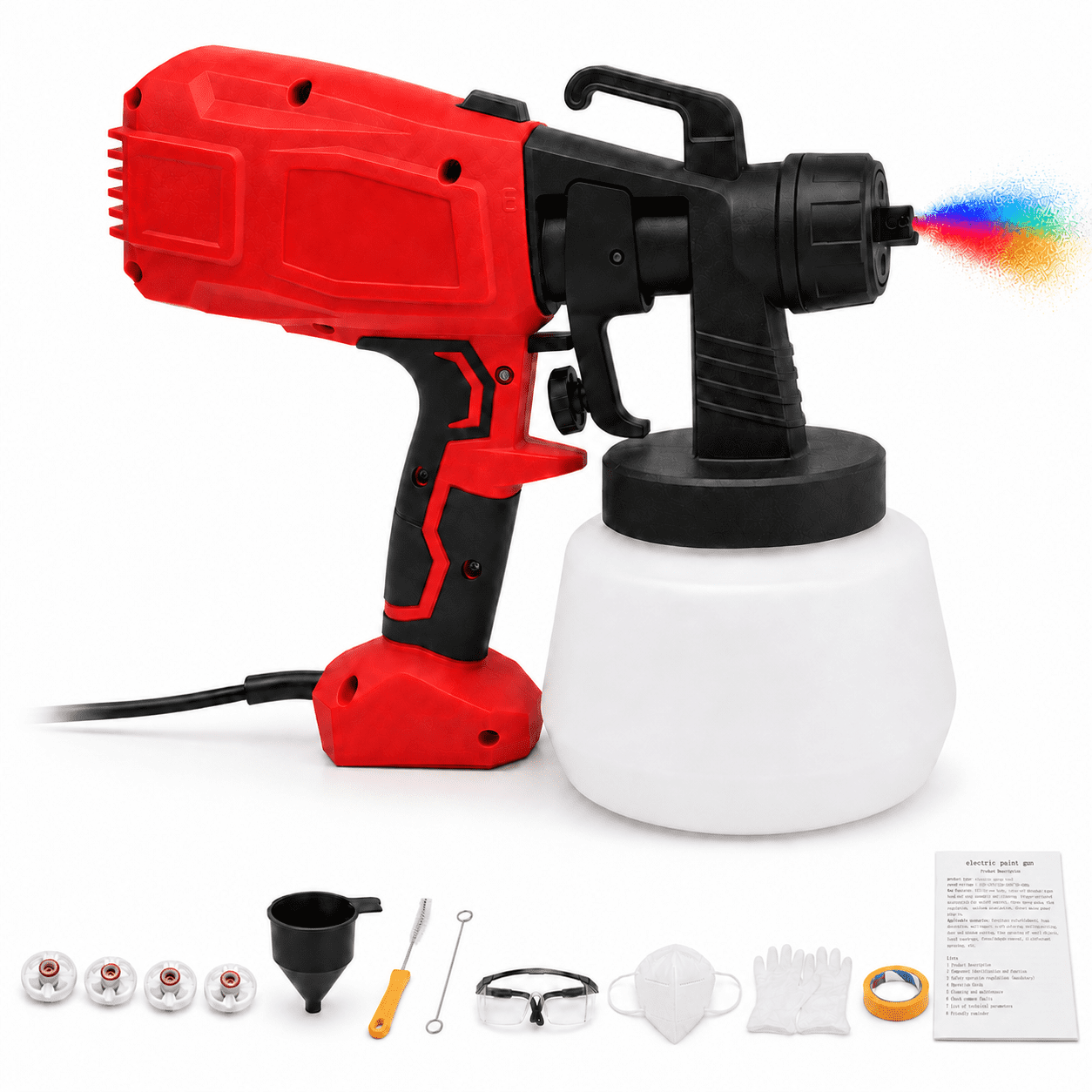
A turbine HVLP system has a dedicated motor that creates a steady flow of warm air. It does not need a separate shop compressor. This makes it simple for home users and mobile painters.
A compressor-powered HVLP gun connects to an air compressor. It can offer strong control and may suit professional work. However, the compressor must provide enough cubic feet per minute, or CFM, for the gun.
What Happens When Air Pressure or Paint Flow Is Set Incorrectly?
Too much air can create dry spray and excess overspray. Too little air may produce large drops, poor atomization, and an uneven pattern. Too much paint can cause runs, sags, and slow drying.
Make small changes rather than turning every knob at once. Test the spray on cardboard or scrap material after each change. This simple habit prevents wasted paint and helps you learn the tool.

What Are the Different Types of HVLP Spray Guns?
HVLP spray guns differ by power source, cup position, and material feed method. Each design has a clear purpose. The best option depends on your project size, paint type, and available equipment.
A small gravity-feed gun may be ideal for furniture. A turbine system may be better for home use. A pressure-feed setup may be more useful in a busy shop.
Turbine HVLP Spray Guns
Turbine HVLP spray guns use a separate turbine motor to push air through a hose. They are easy to set up and work well when a large compressor is not available.
Many turbine systems include one or more stages. More stages can provide stronger airflow for thicker coatings. Turbine air may be warm, which can speed drying but may also affect some finishes.
Compressor-Powered HVLP Spray Guns
Compressor-powered HVLP spray guns use air from a separate compressor. They are common in automotive shops and professional finishing areas.
Before buying one, check its CFM need at the working pressure. A small compressor may run constantly or lose pressure. That can cause an uneven spray and poor results.
Gravity-Feed HVLP Spray Guns
Gravity-feed guns have the cup on top. They waste less paint because gravity helps move the coating to the nozzle. They also tend to be easier to clean.
These guns are a strong choice for cabinets, furniture, trim, and vehicle panels. Their smaller cups may need more frequent refills during large jobs.

Siphon-Feed HVLP Spray Guns
Siphon-feed guns use air pressure to pull paint from a cup below the gun. They can hold more material and may be useful for larger surfaces.
They often need more air than gravity-feed models. They can also leave more paint in the cup. For small jobs, their extra capacity may not be worth the added weight.
Pressure-Feed HVLP Spray Guns
Pressure-feed guns use a pressurized cup or tank to push coating toward the gun. This setup supports long spray sessions and thicker materials.
They are common in commercial shops. The system has more parts and needs careful pressure control. It may be too complex for simple home projects.
Mini HVLP Spray Guns for Small Projects
Mini HVLP spray guns have small cups and narrow spray patterns. They are useful for crafts, small furniture, models, spot repairs, and trim.
Their small size gives good control, but they cover large surfaces slowly. They also need a clean, well-matched paint mix to avoid clogging.
We Tested Wagner Control Pro 130: Is This Budget Power Tank Worth Your Money?
What Are the Advantages and Disadvantages of an HVLP Spray Gun?
An HVLP spray gun offers control, efficient paint transfer, and a smooth finish. It also has limits. It needs setup time, regular cleaning, and the right air supply.
Knowing both sides helps you choose the tool with clear expectations. No spray system is ideal for every surface or coating.
Advantages of HVLP Spray Guns
Key benefits include:
- Less overspray than many high-pressure guns
- Better control over paint flow
- Smooth results on furniture and cabinets
- Good transfer efficiency
- Adjustable fan width and fluid flow
- Useful for stains, paint, primer, and clear coats
- Available in turbine and compressor models
HVLP guns also make it easier to build thin, even coats. That matters when you want to avoid brush marks, heavy edges, or visible roller texture.
Disadvantages of HVLP Spray Guns
Common limits include:
- Slower coverage than airless sprayers
- High air demand for some compressor models
- More setup and cleaning than a roller
- Possible clogging with thick paint
- A learning curve for new users
- Warm turbine air with some systems
- Overspray still exists and needs control
An HVLP gun is not a magic tool. It can produce a beautiful finish, but poor paint preparation or bad technique can still create defects.
Is an HVLP Spray Gun Worth It for DIY Painting?
An HVLP spray gun is often worth it for DIY users who plan to paint several projects. It can save time on cabinets, furniture, doors, and trim. It can also create a finish that is hard to match with a brush.
For one small project, renting or borrowing a gun may make more sense. Remember to include the cost of paint, masking supplies, respirator filters, cleaning fluid, and replacement tips.
When Is an HVLP Spray Gun the Wrong Choice?
An HVLP gun may be the wrong choice for very large walls, fences, decks, and roofs. These jobs need fast coverage, and an airless sprayer may be more efficient.
It may also be a poor choice when you have no safe place to spray. Overspray can travel, even at low pressure. A roller or brush may be better in a small room.
What Can You Paint With an HVLP Spray Gun?
An HVLP spray gun can apply many coatings. The coating must be compatible with the gun, nozzle, air supply, and surface. Always read the product label before spraying.
Paint should be mixed well and strained when needed. Test the material before starting the real job.
Can You Spray Latex Paint With an HVLP Spray Gun?
Yes, you can spray latex paint with an HVLP gun. Latex is often thick, so it may need a larger fluid tip and proper thinning. Some modern latex products are designed for spraying and need less thinning.
Do not add water by guesswork. Follow the paint maker’s instructions. Too much water can reduce coverage, adhesion, and durability.
Can You Spray Acrylic Paint With an HVLP Spray Gun?
Acrylic paint usually works well in an HVLP spray gun when it is mixed correctly. Thin acrylic coatings often need a small or medium tip.
Strain the paint before filling the cup. Acrylic can dry fast on the air cap, so check the tip during long sessions and clean buildup before it changes the pattern.
Can You Spray Water-Based Paint With an HVLP Spray Gun?
Water-based paint is commonly used with HVLP systems. It is easier to clean than solvent paint, but it can still clog when it dries inside the gun.
Use clean water or the cleaner listed by the coating maker. Do not leave water-based paint in the cup, even for a short break.
Can You Spray Oil-Based Paint With an HVLP Spray Gun?
You can spray oil-based paint with an HVLP gun if the gun seals and materials are compatible. Oil paint may need a suitable thinner and a larger tip.
Use strong ventilation and the correct organic vapor respirator. Never use solvents near flames, sparks, heaters, or unprotected electrical equipment.
Can You Spray Primer With an HVLP Spray Gun?
HVLP guns can spray many primers. Thick primers often need a larger nozzle, more airflow, or a dedicated high-build setup.
Strain primer carefully because small lumps can block the fluid tip. Apply light coats and allow each coat to dry before sanding or applying paint.
Can You Spray Wood Stain and Clear Coat With an HVLP Spray Gun?
HVLP guns are excellent for wood stain and clear coat. A smaller tip and lower fluid flow often work well for thin stains.
Clear coats need a clean environment because dust shows easily. Keep the gun moving and avoid heavy passes that can create runs.
Can You Spray Lacquer, Enamel, and Polyurethane?
Many HVLP guns can spray lacquer, enamel, and polyurethane. The correct solvent, tip, and safety gear depend on the product.
Read the technical data sheet when available. Some coatings need special seals or cleaning methods. Never mix water-based and solvent-based products in a dirty gun.
Which Paints Are Too Thick for an HVLP Spray Gun?
Very thick elastomeric coatings, heavy texture paint, roof coatings, and some masonry products may be too thick for an HVLP gun. These materials often need an airless or specialty sprayer.
A larger tip does not solve every problem. If the coating remains heavy after approved thinning, choose a tool designed for it.
How to Choose the Right HVLP Spray Gun
The best HVLP spray gun fits the project, coating, and air source. Do not choose only by price or appearance. Check the tool’s performance data and available replacement parts.
A good match reduces frustration. It also helps the gun last longer and produce a more even finish.
Choose an HVLP Spray Gun Based on Your Project
Choose a compact gravity-feed model for crafts, small furniture, and detail work. Choose a larger gun or turbine system for cabinets, doors, and repeated home projects.
For automotive work, look for precise controls, strong air performance, quality seals, and available nozzle sets. For occasional use, simple adjustment and easy cleaning may matter most.
Choose the Right Nozzle and Fluid Tip Size
Tip size controls the amount of material the gun can handle. Small tips suit stains and thin clear coats. Medium tips suit paint and enamel. Large tips suit primer and thick coatings.
Use the paint maker’s recommendation as your first guide. A perfect tip size for one brand may not work well with another product.
Check Airflow, Air Pressure, and Compressor Requirements
Check both PSI and CFM. PSI tells you pressure, while CFM tells you the volume of air the tool needs. A compressor must meet the gun’s CFM demand during continuous use.
A regulator near the gun helps provide stable pressure. Add a moisture filter when needed, especially in humid conditions or automotive work.
Compare Cup Capacity and Paint Consumption
A small cup keeps the gun light and is good for detail work. A large cup reduces refills but adds weight. A heavy gun can cause hand fatigue during long sessions.
Think about the surface area. A small project needs little paint, while cabinets or doors may justify a larger cup.
Look for Adjustable Fan, Fluid, and Air Controls
Useful controls include fan width, fluid flow, and air adjustment. These controls let you match the gun to the coating and surface.
Separate controls help you solve problems. You can narrow the fan for edges, reduce fluid for detail work, or increase air slightly for better atomization.
Consider Cleaning Time and Replacement Parts
A spray gun is only useful when it stays clean. Look for models with simple passages, easy cup removal, and widely available needles, nozzles, and seals.
Avoid tools with rare parts or unclear manuals. A low purchase price may become expensive if one damaged tip means replacing the whole gun.
Should You Buy a Turbine System or a Compressor-Powered Gun?
Buy a turbine system if you want a complete, simple setup. It is a good choice for home users who do not own a large compressor.
Choose a compressor-powered gun if you already have suitable air equipment or need shop-level flexibility. Check the compressor first. A weak compressor can limit even a high-quality gun.
How Much Should You Spend on an HVLP Spray Gun?
Entry-level HVLP guns can suit small DIY jobs. Mid-range models often offer better controls, stronger parts, and more consistent patterns. Professional guns cost more but may save time in frequent use.
Do not spend your whole budget on the gun. Set money aside for a regulator, filters, tips, cleaning tools, masking supplies, and safety gear.
Best HVLP Spray Gun for Different Painting Projects
There is no single best HVLP spray gun for everyone. The best tool depends on the coating, work area, and desired finish.
Use the following guidelines to narrow your search. Treat “best” as best for a specific task, not as a universal label.
Best HVLP Spray Gun for Beginners
Beginners often benefit from a simple turbine system or gravity-feed gun. Look for clear controls, a good manual, easy cleaning, and at least two useful tip sizes.
Avoid complex pressure-feed equipment at first. A simple tool lets you focus on distance, speed, overlap, and paint flow.
Best HVLP Spray Gun for Kitchen Cabinets
For kitchen cabinets, choose a gun with fine atomization and a small or medium tip. A turbine system can be convenient when spraying doors in a garage or workshop.
Cabinet work rewards control more than speed. Choose adjustable fan settings and practice on scrap wood before spraying the finished doors.
Best HVLP Spray Gun for Furniture and Woodworking
A gravity-feed HVLP gun is often a strong choice for furniture. It handles stains, paint, lacquer, and clear coats with good control.
A narrow fan helps with chair parts and trim. A wider fan helps with tabletops and cabinet sides. Keep the gun clean to prevent tiny dark particles in clear finishes.
Best HVLP Spray Gun for Doors and Trim
Choose a medium-size gun with a medium tip for doors and trim. A wide, even fan helps reduce lap marks across long surfaces.
Spray doors flat when possible. For trim, keep the gun square to the surface and use steady passes from one end to the other.
Best HVLP Spray Gun for Automotive Painting
Automotive painting needs a precise gun, clean air, stable pressure, and proper filters. A compressor-powered HVLP model is common in professional settings.
Use the coating maker’s tip and pressure data. Automotive coatings can contain hazardous chemicals, so a proper respirator, spray booth, and safe process are essential.
Best HVLP Spray Gun for Small DIY Projects
A mini HVLP gun works well for shelves, craft items, small repairs, and picture frames. Its small cup reduces waste and keeps the tool light.
Use a small tip for thin finishes. Clean the gun as soon as the task ends because small passages clog quickly.
Best Budget HVLP Spray Gun
A budget gun can work well when it has solid seals, useful controls, and affordable replacement parts. Read user feedback about clogging, leaks, and spray consistency.
A cheap gun may need more practice. It can still produce a good finish when the paint is strained and the settings are tested.
Best Turbine HVLP Spray Gun for Home Use
For home use, choose a turbine system with enough stages for your coatings. A long hose, easy cup cleaning, and adjustable controls add comfort.
Make sure the system fits your work area. Turbines can be loud, so hearing protection may be useful during long projects.
What Size Nozzle Do You Need for an HVLP Spray Gun?
Nozzle size should match the coating’s thickness and the finish you want. Thin materials need less opening, while thick materials need more room to pass.
The ranges below are general guides. Always check the coating label and spray gun manual first.
HVLP Nozzle Sizes for Stains and Clear Coats
Stains and thin clear coats often work with tips around 1.0 to 1.4 millimeters. The best size depends on the product and desired flow.
Use lower fluid flow for detail work. A large tip can flood thin stain onto the surface.
HVLP Nozzle Sizes for Paint and Enamel
Many paints and enamels work with tips around 1.3 to 1.8 millimeters. Thicker enamel may need a larger opening or approved thinning.
Begin with the smallest tip that gives good atomization. This helps limit excess material and improves control.
HVLP Nozzle Sizes for Primer
Primer often needs a tip around 1.8 to 2.5 millimeters. High-build primer may require an even larger setup or a different sprayer.
Strain primer before use. Let each coat dry fully before sanding, or the surface may feel soft beneath the next layer.
How to Match Nozzle Size to Paint Viscosity
Viscosity means how easily a liquid flows. Thin paint moves quickly, while thick paint moves slowly. A viscosity cup can help you compare products and follow a repeatable process.
If the paint maker gives a tip size, use it first. Do not thin a coating simply because it feels thick.
Signs That Your HVLP Nozzle Is Too Small or Too Large
A tip that is too small may cause weak flow, poor coverage, and dry spray. The gun may need excessive thinning to keep working.
A tip that is too large may release too much paint. Look for runs, heavy edges, and a wet center in the spray pattern.
How to Set Up an HVLP Spray Gun
Good setup prevents many finish problems. Work in a clean, safe area with proper ventilation. Cover nearby objects before opening the paint can.
Keep test material nearby. A small piece of cardboard can show problems before they reach your project.
Read the Spray Gun Manual Before Assembly
The manual shows how to install the needle, nozzle, air cap, cup, and hose. It also lists pressure, CFM, cleaning, and safety instructions.
Different guns can look alike but use different parts. Do not copy settings from another model without checking its manual.
Prepare and Strain the Paint
Stir paint slowly so you do not add air bubbles. Mix only the amount you need. Strain the material through a paint filter before filling the cup.
Straining removes skins, dirt, and dried bits. This small step prevents many clogs and rough spots.
Thin Paint Only When the Manufacturer Allows It
Some coatings must be sprayed as sold. Others allow water or a specific solvent. Use only the thinner named by the product maker.
Add a small amount at a time. Record the ratio so you can repeat the mix if the finish looks good.
Install the Correct Nozzle and Air Cap
Install the fluid nozzle, needle, and air cap as a matched set. Tighten parts firmly but do not force them.
Check that the air cap holes face the correct direction. A loose or crooked part can create leaks and a poor fan.
Connect the Air Hose or Turbine System
For a compressor gun, use a clean hose with suitable fittings. Add a regulator and moisture filter when needed.
For a turbine gun, connect the hose fully and keep it free of sharp bends. A restricted hose can reduce airflow.
Adjust Air Pressure and Fluid Flow
Set air pressure according to the manual. Then open the fluid control a small amount. Begin with a conservative setting and increase flow only when needed.
The pressure shown at the compressor may differ from pressure at the gun. Adjust near the gun for better accuracy.
Set the Spray Fan Width
Turn the fan control to create a vertical or horizontal pattern. A wide fan covers large flat surfaces. A narrow fan gives more control on edges and small parts.
Do not use a wide fan for every task. The correct width reduces waste and helps you keep a steady pass.
Test the Spray Pattern Before Painting
Spray onto cardboard or scrap material. Hold the gun at the same distance you will use on the project.
A good pattern looks even from end to end. If the center is heavy, the edges are dry, or the pattern is split, stop and adjust the gun.
How to Adjust HVLP Spray Gun Settings
Adjust one control at a time. Paint thickness, temperature, humidity, and tip size all affect the spray.
Think of the process as tuning a musical instrument. Small changes can create a smooth result, while large changes can make the tool hard to understand.
How to Adjust HVLP Air Pressure
Start at the lower end of the manufacturer’s range. Increase pressure until the spray becomes fine and even.
Too much pressure can create dry spray and overspray. Too little pressure can produce large drops and a rough surface.
How to Adjust the Fluid Control Knob
Turn the fluid knob inward to reduce paint flow. Turn it outward to increase flow. Begin with a small opening.
If the gun lays down too much paint, reduce fluid before changing everything else. A slower hand can also cause heavy coverage.
How to Adjust the Fan Pattern
Turn the fan control to change pattern width. Test both vertical and horizontal settings.
The pattern should stay even as you change width. If one side becomes weak, clean the air cap and check the fluid tip.
How to Set Paint Flow for Thin and Thick Coatings
Thin coatings need less fluid and often a smaller tip. Thick coatings need more flow, a larger tip, or approved thinning.
Do not force thick paint through a tiny tip. That can strain the gun and create rough atomization.
How to Read a Proper Spray Pattern
A proper pattern has an even, soft shape. It should not have a heavy center, dry ends, or missing sections.
Hold the gun at the correct distance while testing. A pattern can look wrong when the gun is too close or angled.
How to Fine-Tune Settings Without Wasting Paint
Use cardboard, masking paper, or scrap wood for testing. Make short passes and inspect the wet film.
Keep notes about tip size, pressure, paint mix, and fluid setting. Your notes become a helpful recipe for the next project.
How to Use an HVLP Spray Gun for a Smooth Finish
A smooth finish begins before you pull the trigger. Clean the surface, prepare the room, and test the material.
Spraying is a rhythm. The gun moves like a calm hand sweeping dust from a table: steady, even, and never stopping in one place.
Prepare the Surface Before Spraying
Remove grease, dust, wax, and loose paint. Sand as needed and wipe away sanding dust.
Repair dents and holes before spraying. Paint will not hide poor preparation; it often makes flaws easier to see.
Choose the Correct Gun Distance and Angle
Hold the gun about 6 to 10 inches from the surface unless the manual says otherwise. Keep the tip square to the work.
Too close can cause runs. Too far can create dry spray. A consistent distance matters more than a perfect number.
Maintain a Consistent Hand Speed
Move at a steady speed. Move too slowly and the surface becomes heavy. Move too fast and coverage becomes thin and rough.
Practice on cardboard first. Your arm, not your wrist, should guide long passes across broad surfaces.
Overlap Each Pass Evenly
Overlap each pass by about 50 percent when the coating instructions support it. This helps avoid stripes and thin bands.
Keep the overlap consistent from one end to the other. Uneven overlap can create visible shading.
Start and Stop Spraying Correctly
Start moving the gun before pulling the trigger. Release the trigger before stopping the hand motion.
This method keeps extra paint from building at the ends. It also reduces runs and heavy spots.
Apply Thin, Even Coats
Several thin coats usually look better than one thick coat. Thin coats dry more evenly and reduce sags.
Do not chase perfect coverage too soon. Let each coat build the finish step by step.
Allow Proper Flash-Off and Drying Time
Flash-off is the time a wet coating needs before the next coat. Follow the product label because time changes with temperature, humidity, and airflow.
Spraying too soon can trap solvent or water. That may cause cloudiness, wrinkles, poor adhesion, or slow curing.
Inspect the Finish Between Coats
Use bright, angled light to inspect the surface. Look for dry areas, runs, dust, pinholes, and uneven sheen.
Fix small defects after the coating dries. Avoid touching wet paint unless the product instructions allow it.
HVLP Spray Gun vs. LVLP Spray Gun
HVLP and LVLP guns both aim to reduce overspray and improve control. HVLP means high volume, low pressure. LVLP means low volume, low pressure.
The main difference is air demand. Your compressor size, work speed, and coating type should guide the choice.
What Is the Difference Between HVLP and LVLP?
HVLP guns use a large volume of air. LVLP guns use less air while working at low pressure.
LVLP may suit a smaller compressor. HVLP can provide a broad, soft spray pattern and is widely used for furniture and finishing.
Which Uses Less Air: HVLP or LVLP?
LVLP usually uses less air. This can help users with small compressors or limited electrical power.
However, lower air use may also mean slower coverage. Check the actual CFM rating instead of trusting the label alone.
Which Produces Less Overspray?
Both systems can reduce overspray when set up correctly. LVLP may produce less airborne mist in some conditions, but paint mix and technique matter greatly.
A clean air cap, correct pressure, and proper distance often matter more than the label on the gun.
Which Is Better for Furniture and Cabinets?
Both can work well. HVLP is a common choice for broad, smooth cabinet panels. LVLP may be helpful in a small shop with limited air supply.
Choose the gun that can atomize your coating without forcing excessive thinning.
Which Is Better for a Small Air Compressor?
LVLP is often better for a small compressor because it needs less air. Still, compare CFM at the same pressure.
A compressor that barely meets the rating may still struggle during long passes. Use short sessions or choose a stronger air source.
Should You Buy an HVLP or LVLP Spray Gun?
Buy HVLP for strong control and common finishing work. Buy LVLP when low air demand is your main concern.
If possible, choose a model with replacement tips and clear setup data. Support matters as much as the first spray.
HVLP Spray Gun vs. Airless Paint Sprayer
HVLP and airless sprayers use very different methods. HVLP uses air to atomize paint. Airless systems use a high-pressure pump to force paint through a tiny tip.
The right choice depends on finish quality, speed, and coating thickness.
How HVLP and Airless Sprayers Work Differently
An HVLP gun mixes air and paint at the nozzle. An airless sprayer uses fluid pressure without atomizing air.
Airless sprayers can handle thick coatings and cover large areas fast. HVLP guns offer finer control for small and medium finishing tasks.
Which Gives a Smoother Finish on Cabinets?
HVLP often gives better control on cabinets, doors, and furniture. It can lay down thin coats with less aggressive spray.
An airless sprayer with the right fine-finish tip can also work well. It may need a fine-finish setup and careful pressure control.
Which Is Faster for Walls and Fences?
Airless sprayers are usually faster for walls, fences, siding, and large surfaces. Their high flow covers broad areas quickly.
HVLP would take longer and may require more refills. It is better when control matters more than speed.
Which Wastes Less Paint?
HVLP often wastes less paint than a conventional high-pressure gun. Airless systems can also work efficiently, but overspray rises with pressure and poor technique.
Masking and correct settings matter in both cases. No sprayer eliminates waste completely.
Which Is Easier to Clean?
A basic HVLP gun can be simple to clean, especially with water-based paint. Airless sprayers have pumps, hoses, filters, and tips that need thorough flushing.
Both tools require immediate cleaning. Dried paint can damage parts and cause expensive repairs.
Which Spray System Is Better for Your Project?
Choose HVLP for furniture, cabinets, trim, small repairs, and fine finishing. Choose airless for large surfaces and thick coatings.
If you paint only once, a roller may be easier. If you paint often, the best system can save many hours.
HVLP Spray Gun vs. Conventional Spray Gun
Both tools use compressed air, but they use different pressure levels and air volumes. Conventional guns atomize with higher pressure.
HVLP systems focus on transfer efficiency and control. Conventional systems may deliver faster spray but usually create more overspray.
Differences in Air Pressure and Atomization
Conventional guns use higher pressure to break paint apart. HVLP guns use lower pressure and more air volume.
HVLP atomization can be softer. This makes it useful for controlled finishing, though thick material may need more preparation.
Differences in Transfer Efficiency and Overspray
HVLP guns generally send more coating toward the surface and less into the air. This can reduce material waste.
Overspray still depends on pressure, tip size, distance, and paint mix. Low pressure does not mean zero overspray.
Differences in Compressor Requirements
A conventional gun may need high pressure but less total air in some cases. An HVLP gun may need high CFM at lower pressure.
Always compare the compressor with the gun. Pressure alone does not show whether the system will work.
Which System Is Better for DIY and Professional Use?
HVLP is often friendlier for DIY finishing because it offers control and reduced overspray. Professionals may choose either system based on speed and coating requirements.
A conventional gun can still be useful for specialized work. The best tool is the one that matches the job and operator.
Common HVLP Spray Gun Problems and How to Fix Them
Most spray problems come from dirty parts, wrong settings, poor paint mix, or weak air supply. Change one factor at a time when troubleshooting.
Do not keep spraying when the pattern looks wrong. A short pause can prevent a large repair.
HVLP Spray Gun Spitting or Sputtering
Spitting may come from a loose nozzle, low paint level, clogged passage, or damaged needle. Check the cup seal and fluid connection.
Clean the gun and strain the paint. If the issue remains, inspect the needle and nozzle for wear.
HVLP Spray Gun Producing Large Droplets
Large drops often mean low air pressure, thick paint, a small tip, or a dirty air cap.
Raise air pressure slightly within the safe range. If that does not help, use the correct tip or adjust the paint mix according to the label.
HVLP Spray Gun Leaving an Orange-Peel Finish
Orange peel looks like the skin of an orange. It can result from thick paint, low air, fast movement, or a gun held too far away.
Improve atomization and apply thinner coats. Temperature and drying speed can also affect the surface.
HVLP Spray Gun Producing Dry Spray
Dry spray happens when droplets dry before they reach the surface. The gun may be too far away or the air pressure may be too high.
Move closer within the recommended range. Reduce pressure slightly and check whether the coating is drying too fast.
HVLP Spray Gun Causing Runs and Sags
Runs usually come from too much fluid, slow movement, close distance, or heavy overlap.
Reduce fluid flow and move at a steady speed. Let the surface dry before sanding or recoating.
HVLP Spray Gun Spraying an Uneven Fan Pattern
An uneven fan often points to dirty air cap holes or a clogged fluid tip. A damaged nozzle can create the same problem.
Remove and clean the front parts. If cleaning does not help, replace worn components.
HVLP Spray Gun Not Atomizing Paint Properly
Check the air source, pressure, tip size, paint viscosity, and air cap. A weak compressor may not keep up with the gun.
Use a clean test mix. If the gun still fails with the correct settings, inspect seals and internal parts.
HVLP Spray Gun Losing Air Pressure
Air loss may come from a leaking hose, loose fitting, poor seal, or compressor that cannot meet demand.
Apply soapy water to fittings and look for bubbles when the system is pressurized. Repair leaks before changing paint settings.
HVLP Spray Gun Leaking Paint
Paint can leak from the nozzle, cup seal, needle packing, or fluid connection. Dried paint may stop the needle from closing.
Clean the gun and tighten parts carefully. Replace damaged seals or a worn needle and nozzle set.
HVLP Spray Gun Not Drawing Paint From the Cup
A siphon gun may have a blocked pickup tube or vent. A gravity-feed gun may have a clogged passage or closed fluid knob.
Check the cup lid, tube, filter, needle, and nozzle. Make sure the paint is not too thick for the gun.
How to Clean and Maintain an HVLP Spray Gun
Cleaning should begin as soon as spraying ends. Dried coating is much harder to remove and can damage small parts.
Wear gloves and eye protection. Use only cleaners that are safe for the coating and the gun’s seals.
How to Clean an HVLP Spray Gun After Water-Based Paint
Empty the cup and wipe out leftover paint. Flush the gun with clean water or the product-approved cleaner.
Spray the flush into a waste container until it runs clear. Remove the nozzle and air cap, wash them, and dry all parts before assembly.
How to Clean an HVLP Spray Gun After Oil-Based Paint
Use the solvent listed by the paint maker. Work in a ventilated area and keep the solvent away from flames and sparks.
Do not soak rubber parts in a harsh solvent unless the manual allows it. Flush the fluid path, then clean the cup and front parts.
How to Remove Paint From the Nozzle and Air Cap
Remove parts with the correct wrench. Soak them only in a compatible cleaner.
Use a soft brush to remove residue. Never enlarge nozzle holes or scrape sealing surfaces with sharp tools.
How to Clean the Needle and Fluid Passage
Remove the needle as the manual directs. Wipe it from the back toward the tip to avoid pushing paint into the packing area.
Clean the fluid passage with the proper brush. Do not force a large brush through a small opening.
How to Prevent Dried Paint and Clogs
Keep the cup covered during breaks. Do not let paint sit in the gun while you take lunch or leave the work area.
Strain paint, use clean tools, and flush the gun after every session. These habits prevent most clogs.
How Often Should You Replace HVLP Spray Gun Parts?
Replace tips, needles, seals, and air caps when they wear, leak, or change the spray pattern. Heavy users may replace wear parts more often than casual users.
Do not wait for a complete failure. A worn tip can waste paint and create defects long before it stops spraying.
How to Store an HVLP Spray Gun Between Projects
Clean and dry the gun fully. Store small parts together in a clean container and protect the tip from damage.
Follow the manual for lubrication. Keep the gun in a dry place away from dust, heat, and direct sunlight.
HVLP Spray Gun Safety and Ventilation
Paint mist can harm your lungs, eyes, and skin. Solvent vapors can also create fire and health risks.
Read the safety data sheet for every coating and cleaner. Use the right protective gear, even for a short job.
What Respirator Should You Use for HVLP Spraying?
For many solvent-based coatings, use a properly fitted respirator with organic vapor cartridges and suitable particulate filters. Water-based paint may still create harmful mist.
A dust mask is not the same as a paint respirator. Follow local rules and the coating maker’s safety guidance.
Why Ventilation Matters When Spraying Paint
Ventilation removes paint mist and vapors from the work area. It also helps the coating dry more predictably.
Use exhaust that sends air outdoors when safe and allowed. Do not create airflow that blows dust onto wet paint.
How to Protect Your Eyes, Skin, and Hearing
Wear safety glasses or a face shield, chemical-resistant gloves, and protective clothing. Turbine systems and compressors can be loud, so use hearing protection when needed.
Tie back long hair and avoid loose clothing near moving equipment. Wash exposed skin with the correct cleaner, not harsh solvent.
Fire Risks From Solvent-Based Paints
Many solvent vapors can ignite. Keep paint, thinner, and waste rags away from flames, heaters, sparks, and smoking materials.
Use approved containers for solvent waste. A pile of solvent-soaked rags can heat up and create a fire risk.
How to Control Overspray Indoors
Mask floors, walls, windows, lights, and nearby tools. Use a spray booth or enclosed spray area when possible.
Protect ventilation systems from paint mist. Never spray in a room without a safe way to remove vapor and airborne particles.
How to Dispose of Leftover Paint and Cleaning Solvents
Never pour paint or solvent down a drain. Follow local hazardous waste rules and keep liquids in labeled containers.
Allow approved water-based waste to dry only when local rules permit it. Solvent waste usually needs special collection.
Frequently Asked Questions About HVLP Spray Guns
The answers below cover common questions from first-time users and experienced DIY painters. Always give the product label and gun manual priority.
Safe work habits and correct preparation matter as much as the gun itself.
Is an HVLP Spray Gun Good for Beginners?
Yes. An HVLP spray gun is beginner-friendly when it has simple controls and clear instructions. Start with scrap material and a thin coating.
Practice distance, speed, and overlap before painting the final surface.
Can an HVLP Spray Gun Spray Latex Paint Without Thinning?
Some modern latex paints can spray without thinning, especially with a larger tip. Others need approved thinning or a different sprayer.
Check the label first. Never thin latex by habit because excess water can weaken the coating.
What PSI Should an HVLP Spray Gun Use?
Many HVLP guns work within a low-pressure range, but the correct setting varies by model. Use the pressure listed in the manual or coating data sheet.
Adjust pressure at the gun when possible. Test the pattern before spraying the project.
Do HVLP Spray Guns Need an Air Compressor?
Compressor-powered HVLP guns need an air compressor. Turbine HVLP systems include their own air source and do not need a separate compressor.
Check CFM, PSI, hose size, and duty cycle before connecting a compressor gun.
Can You Use an HVLP Spray Gun Indoors?
You can use one indoors only with proper ventilation, protection, masking, and a safe spray area. Solvent coatings may require professional equipment or may not be suitable indoors.
A garage or spray booth is often safer than a living space. Keep people, pets, flames, and ignition sources away.
Is an HVLP Spray Gun Better Than a Paint Roller?
HVLP can create a smoother finish and cover detailed shapes without roller texture. A roller is simpler, quieter, and easier to clean.
Use HVLP when finish quality and complex shapes matter. Use a roller when speed, low cost, and simple cleanup matter more.
How Many Coats Should You Apply With an HVLP Spray Gun?
The number of coats depends on the coating and color. Many projects need one primer coat and two or more thin finish coats.
Follow the product label. More thin coats are usually safer than one heavy coat.
How Far Should You Hold an HVLP Spray Gun From the Surface?
Many guns work best about 6 to 10 inches away. The correct distance depends on the gun, tip, material, and spray pattern.
Hold the gun square to the surface. Keep the distance steady during every pass.
Can an HVLP Spray Gun Be Used for Automotive Paint?
Yes, many HVLP guns are used for automotive paint. Automotive work needs clean air, correct pressure, suitable tips, and professional safety controls.
Follow the coating maker’s rules. Some automotive products require a supplied-air respirator and a compliant spray booth.
How Long Does It Take to Learn to Use an HVLP Spray Gun?
Most users can learn the basic motion in one short practice session. Consistent, professional-quality results take more time.
Practice on scrap boards. Focus on steady speed, correct distance, even overlap, and light coats.
How Do You Prevent Overspray With an HVLP Spray Gun?
Use the lowest pressure that still atomizes the coating. Keep the gun close enough, move at a steady speed, and choose the right fan width.
Mask the area well and spray only in suitable conditions. Good technique reduces overspray but never removes it completely.
How Long Does an HVLP Spray Gun Last?
A quality HVLP spray gun can last for many years with regular cleaning and replacement wear parts. Poor cleaning can ruin one after only a few projects.
Store it dry, avoid dropping the air cap, and use compatible cleaners. Maintenance has a major effect on service life.