
Spray Gun Spraying Large Droplets: 7 Steps To Fixes And Settings
Large droplets mean poor atomization—check air pressure, viscosity, nozzle size, and technique. If your finish looks pebbly, spitty, or wet with runs, you are not alone. I have fixed this problem on job sites and in shops for years. In this guide, I explain spray gun spraying large droplets like a pro. You will learn why it happens, how to diagnose it fast, and how to dial in a smooth, even finish.
What “spray gun spraying large droplets” really means
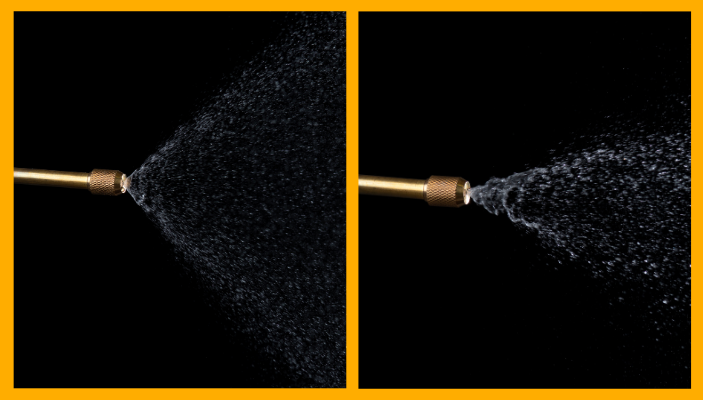
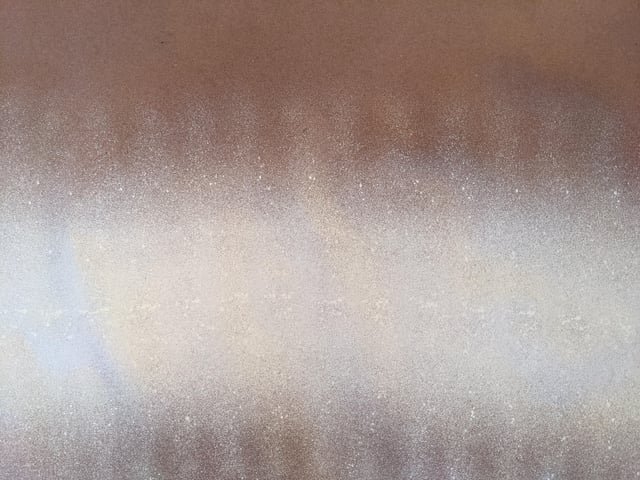
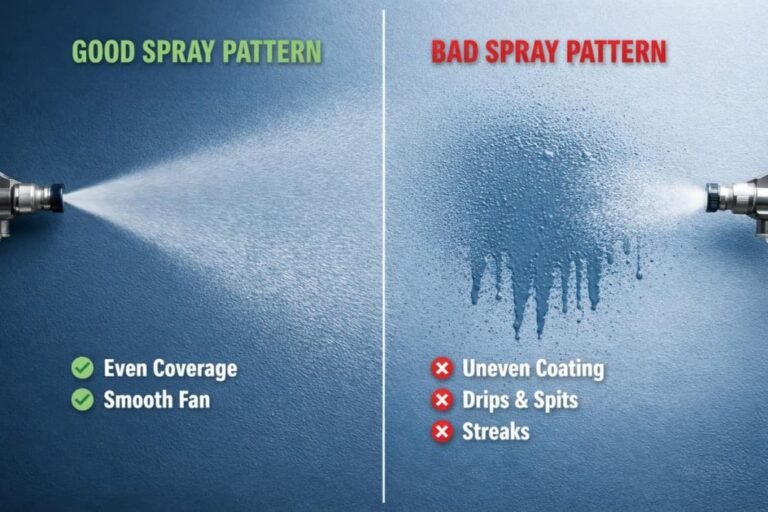
When a spray gun throws big drops, atomization is weak. The coating hits the surface as blobs, not a fine mist. You see texture, craters, tails, and random specks.
Spray gun spraying large droplets leads to runs, orange peel, dry edges, and poor adhesion. It wastes material and time. It also hides defects until the coat dries, which makes rework more likely.
You can fix it by correcting air, fluid, viscosity, and technique. The fix is simple once you know the cause.
Spray Gun Troubleshooting: Quick Fixes for Spits, Sputters, and Uneven Sprays
Main causes of spray gun spraying large droplets
Most cases come down to a few settings or parts. Here are the usual suspects.
- Air pressure too low The fan looks weak. The pattern shows fat edges and a heavy center.
- Fluid flow too high The fan floods. You get sags and spits.
- Viscosity too thick The finish is not reduced to spec. The gun cannot break it up.
- Nozzle or needle mismatch A large tip on a thin coating throws blobs.
- Worn or clogged parts Dried paint in the air cap or tip ruins atomization.
- Gun too far or too close Both change droplet size and fan shape.
- Compressor issues Low CFM, pressure drop, or water in the line hit atomization hard.
- Temperature and humidity Cold coating flows poorly. High humidity can cause blushing or spitting.
- Product choice High solids or textured coatings need the right gun and tip.
Spray gun spraying large droplets almost always matches one or more items here. Tuning these restores a fine mist.

Fast diagnostics for spray gun spraying large droplets
Use this short flow to find the cause in minutes.
- Pull the trigger into the air Watch the fan shape. Look for tails, spits, and uneven edges.
- Check pressure at the gun Use a gauge at the handle. Bump pressure up in small steps.
- Test viscosity Use a cup and time the drain. Compare to the tech sheet.
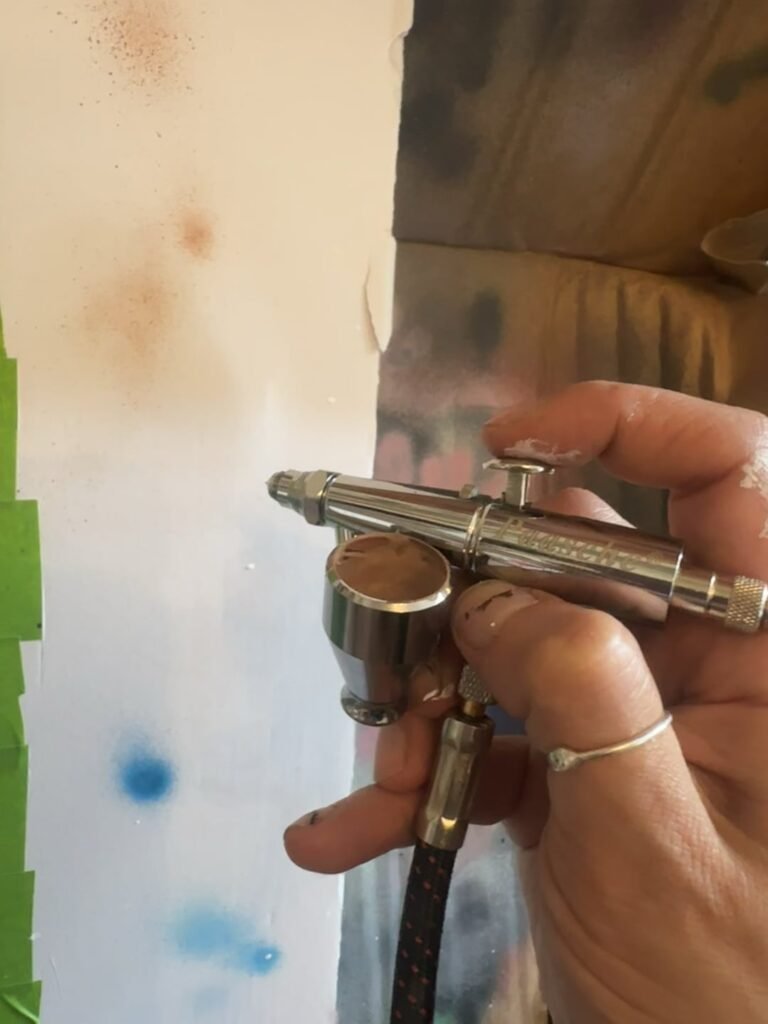
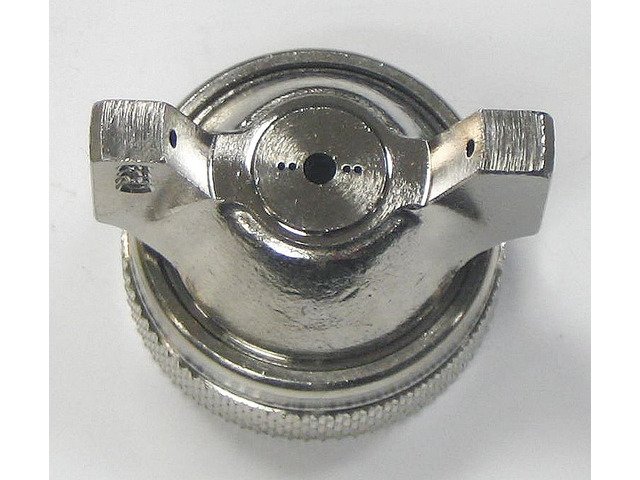
- Inspect the air cap Remove and clean it. Check the small holes for clogs.
- Verify tip size Match the tip to the coating and sheet. Swap if needed.
- Do a paper test Spray a burst at 6–8 inches onto masking paper. Assess fan balance and droplet size.
This simple path solves most spray gun spraying large droplets on the spot.
The #9 Reasons Spray Gun Blowing Air: How to Fix an Air-Only Spray Gun Fast
How to fix spray gun spraying large droplets: a step-by-step tune-up
Try this order. Make one change at a time. Test. Then move on.
- Clean the gun Strip the air cap, nozzle, and needle. Soak and brush. Reassemble snug, not overtight.
- Set air pressure Start low. Lift by 2–3 PSI until the fan is even and soft-edged.
- Set fluid control Close down. Open a half-turn at a time until coverage looks even, not wet.
- Adjust fan width Start mid-width. Open just enough to cover the target with one pass overlap.
- Reduce to spec Check the data sheet. Use the recommended thinner and ratio. Strain the mix.
- Recheck distance and speed Hold 6–8 inches for HVLP. Move about a foot per second. Adjust as needed.
- Confirm compressor output Ensure enough CFM. Use dry air with a filter and regulator at the gun.
If spray gun spraying large droplets persist, switch to a smaller tip, or use a gun better suited to the product. Keep changes small. Watch the fan each time.

Equipment choices that prevent large droplets
Your setup matters as much as your skill.
- HVLP guns Gentle on overspray. Need steady CFM and dry air. Great for clear coats and wood finishes.
- LVMP or conventional More punch for fine atomization. Use when thicker materials need extra breakup.
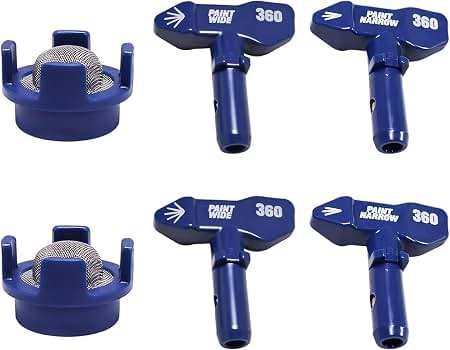
- Airless and AAA Best for high-build and latex. Use the right tip size and filter to avoid spitting.
- Tip and needle size Match size to coating viscosity and solids. Always check the product data sheet.
- Air cap choice Some caps atomize finer but use more air. Balance air demand and finish needs.
- Compressor and air prep Use a stable regulator, water separator, and desiccant or refrigerated dryer.
Good gear reduces the risk of spray gun spraying large droplets and cuts setup time.

Technique that delivers fine, even atomization
Small moves change the result in big ways.
- Maintain distance Keep the same gap through each pass. Do not arc your wrist.
- Use 50 percent overlap Each pass should cover half of the last. This evens out the film.
- Trigger at the edges Air in, paint on the move, paint off, air out. Avoid dumping paint at starts.
- Keep a steady pace If you slow down, you load the panel. If you rush, you dry spray.
- Watch the wet edge Work into it. Avoid spraying wet over dry or dry over wet.
If you see spray gun spraying large droplets mid-pass, stop. Adjust pressure one or two PSI. Then resume.
Spray Gun Sputtering: 5 Quick Fixes to Stop Ruining Your Paint Job
Quality checks and simple measurements
A few checks keep results consistent.
- Viscosity cup timing Time the drain with a clean cup. Aim for the maker’s range.
- Pattern on paper Test before the part. Look for an even, oval fan without heavy edges.
- Strain every mix Use a paint strainer to catch skins and trash.
- Wet mil gauge Spot-check film build while wet. Adjust speed or fluid for target build.
- Keep a log Note room temp, pressure, tip, and mix. Repeat what works.
These habits cut rework and prevent spray gun spraying large droplets from creeping back.
Real-world fixes by coating type
I have run into this issue in many settings. Here are common cases and what worked.
Automotive base and clear
- Symptom Large droplets on vertical panels. Tails at ends.
- Fix Warm the coating. Raise gun pressure slightly. Reduce fluid a notch. Keep a tight 50 percent overlap.
Wood lacquer and conversion varnish
- Symptom Pebbly, dull look on tabletops.
- Fix Thin to spec. Switch to a finer atomizing cap. Shorten distance. Add a small retarder if the air is hot and dry.
Latex on doors or trim
- Symptom Spits and texture with HVLP.
- Fix Use a larger needle with proper reduction, or switch to airless. Add a fine filter and raise pressure a touch.
Industrial primers
- Symptom Big drops and sags on beams.
- Fix Increase atomization energy. Use LVMP or airless with the right tip. Keep material warm and well mixed.
Each case tied back to spray gun spraying large droplets from either low atomization or thick mix. The cure was a balance of pressure, tip, and viscosity.
Maintenance habits that stop large droplets before they start
A clean, tight gun sprays clean, tight patterns.
- Clean immediately after use Flush with the right solvent until clear. Wipe the needle and seat.
- Brush the air cap Use the soft brush. Do not pick at the holes with metal.
- Inspect wear parts Check the nozzle, needle, seals, and packings. Replace at the first sign of grooves.
- Store dry Keep the gun in a dust-free case. Cap the air inlet.
- Filter the air Change filters on schedule. Drain tanks daily.
These steps keep spray gun spraying large droplets from wear, clogs, and moisture.
Safety, ventilation, and compliance
Good finishes do not matter if safety slips.
- Wear proper PPE Use a respirator rated for your coating, goggles, and gloves.
- Ventilate well Use cross-flow or downdraft airflow. Capture overspray and fumes.
- Mind VOCs and flammables Follow the product sheet and local rules. Store solvents in safe cans.
- Control dust Clean the booth and strain mixes. Dust makes defects stick.
Safe habits also help prevent spray gun spraying large droplets by keeping air and material clean.
Frequently Asked Questions of spray gun spraying large droplets
Why is my spray gun spraying large droplets all of a sudden?
Likely the air cap is clogged or pressure dropped. Clean the cap, check your regulator at the gun, and test the fan on paper.
What PSI should I use to avoid large droplets?
Start at the maker’s recommended PSI and adjust in small steps. Raise pressure until the fan looks even and soft at the edges.
Does thinning paint fix big droplets?
Sometimes. If viscosity is high, proper reduction helps atomization. Always follow the coating’s data sheet for reducers and ratios.
Which tip size helps with large droplets?
Use a tip that matches the coating thickness. A smaller tip often helps with thin coatings; thicker products may need a larger tip and more atomization energy.
How far should I hold the gun?
For HVLP, 6–8 inches is a good start. Keep the same distance through the pass and overlap by about 50 percent.
Can humidity cause spray gun spraying large droplets?
Indirectly, yes. High humidity can change how solvents flash and can cause blushing or spitting if water hits the air stream.
Why is my airless still making big drops?
Check the tip for wear, filters for clogs, and pressure settings. Warm the material and verify you have the correct tip size for the product.
Do I need a bigger compressor?
Maybe. If your gun starves for air under trigger, droplet size grows. Use a compressor with enough CFM and dry the air.
What is the fastest way to diagnose the issue?
Spray a burst onto masking paper, then adjust pressure and fluid one step at a time. If that fails, clean the cap and verify viscosity.
Will a retarder or flow additive help?
Yes, in hot or dry rooms it can smooth out the finish. Use only what the product sheet allows.
Conclusion
Large droplets point to weak atomization or a mismatch in setup. Clean the gun, set pressure and fluid with intent, match tip to coating, and spray with steady form. Keep notes on what works, and you will repeat great results every time.
Take one project this week and run the simple test-and-tune steps above. Your finish will look flatter, glossier, and more consistent.
One Comment
Comments are closed.