
Paint Sprayer Gun 101: (Types, Uses, and Expert Advice) Everything You Need to Know Before Buying
You can turn a dull, time-consuming paint job into a fast, smooth, and satisfying project with the right paint sprayer gun. A sprayer lays down paint in a fine mist, which helps you get a clean, even finish with fewer marks. It also saves time on large areas, trim, doors, and fences. Whether you are a first-time DIYer or a seasoned pro, learning how to pick, set up, and use a sprayer can change how you paint for good.
If you have ever rolled a ceiling until your neck hurt or fought brush marks on cabinet doors, a paint sprayer gun can feel like cheating. But it is not magic. It is a tool, and like any tool, it works best when you know how it works. The good news is that the learning curve is short when you follow a few easy rules.
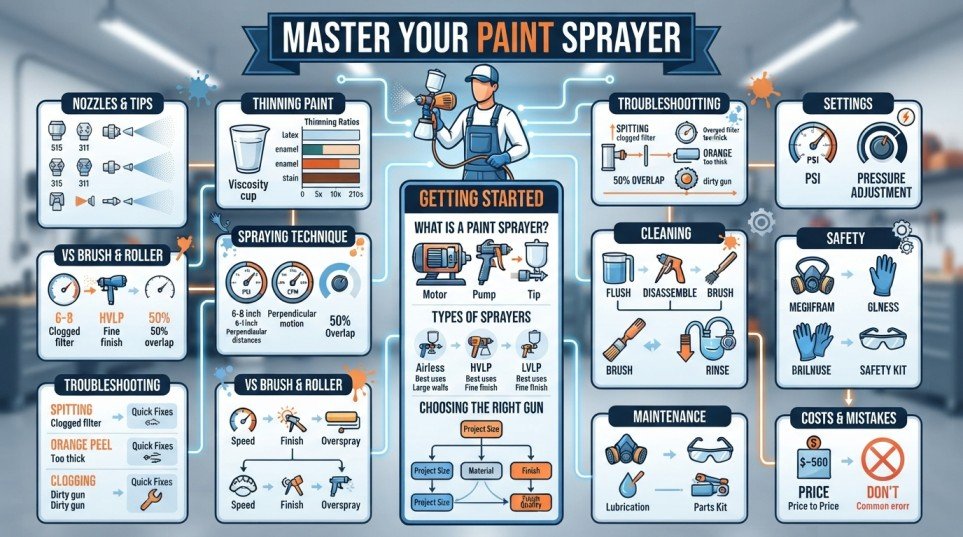
This guide will walk you through every key step, from how sprayers work to which model to buy, how to choose tips, how to thin paint, how to dial in pressure, and how to fix common spray problems. You will also learn safe habits, smart cleanup, and when to spray, brush, or roll. By the end, you will know exactly which sprayer to use for your project and how to get a pro-level finish.
What Is a Paint Sprayer Gun?
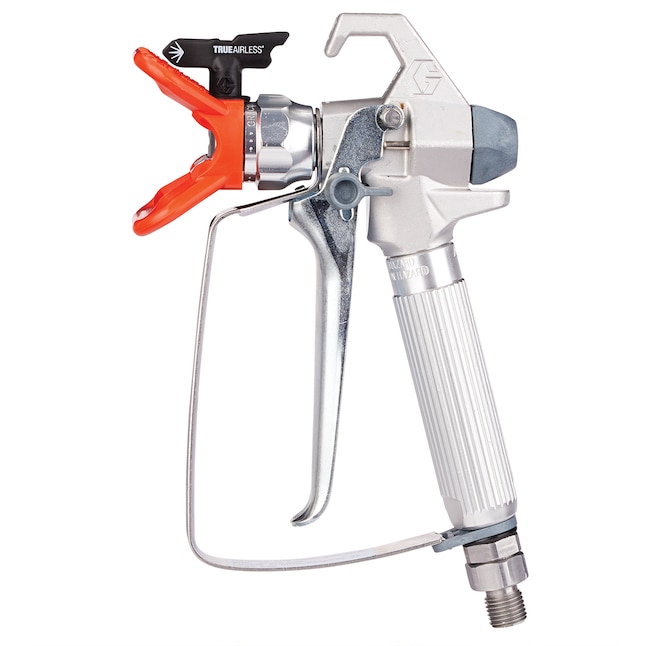
A paint sprayer gun is a handheld tool that turns liquid paint into a fine mist and shoots it onto a surface for fast, even coverage. It replaces brushes and rollers on many jobs, reduces marks, and speeds up work. Sprayers vary by power source and pressure, handle many paint types, and can deliver both broad coverage and fine finishes with the right setup.
How a Paint Sprayer Gun Works: Paint enters the gun, paint is atomized, air or fluid pressure breaks paint into droplets, spray pattern forms, paint lands on the surface, explain atomization in simple language.
Main Parts of a Paint Sprayer Gun: Nozzle, needle, air cap, fluid cup, trigger, hose, spray tip, pressure controls, material adjustment, fan-width control.
What Makes a Good Paint Sprayer Gun: Consistent atomization, adjustable spray pattern, suitable pressure range, easy cleaning, replaceable parts, comfortable grip, correct nozzle options.
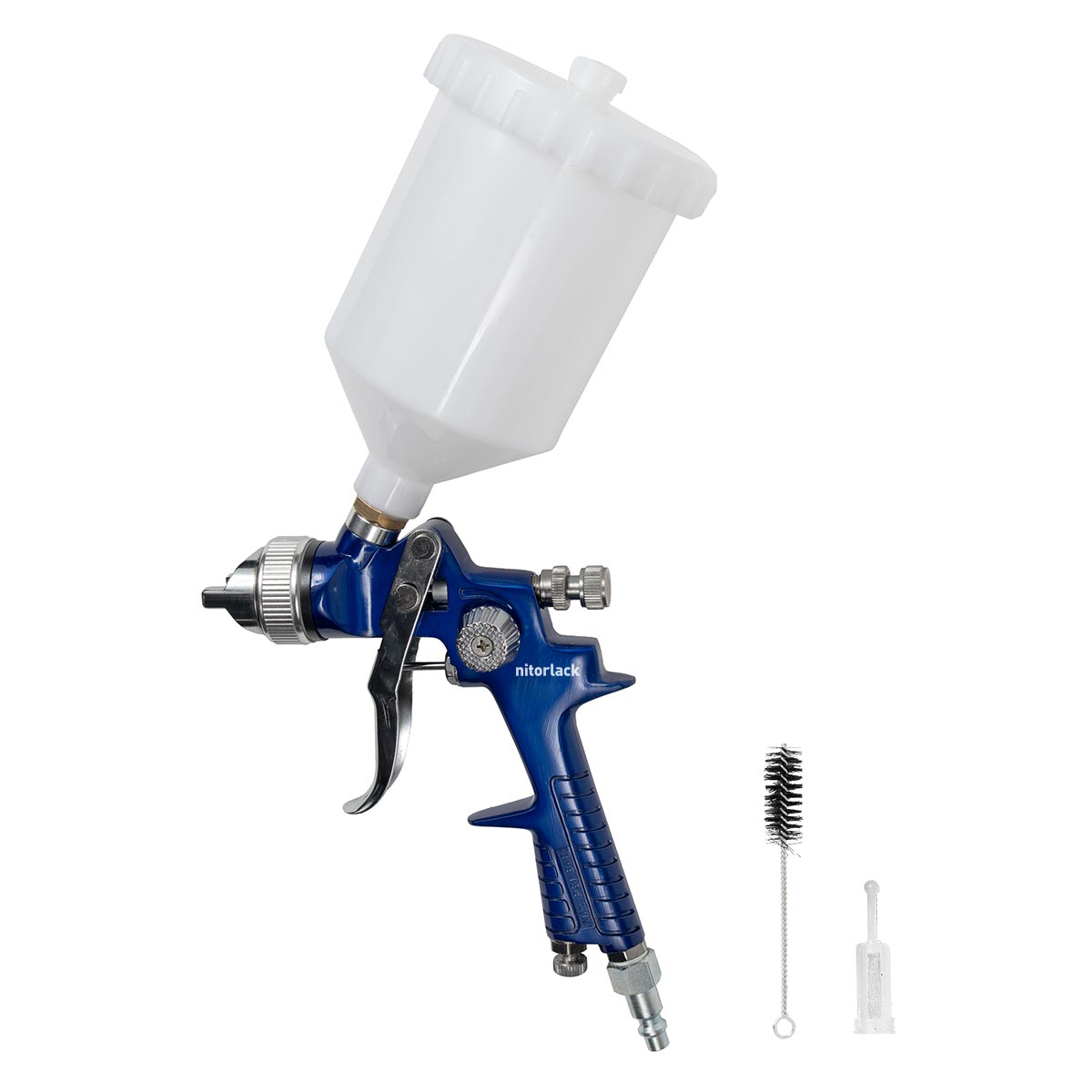
HVLP Paint Sprayer Gun: How HVLP works, lower-pressure atomization, finish quality, overspray, furniture, cabinets, doors, trim, best paint types.
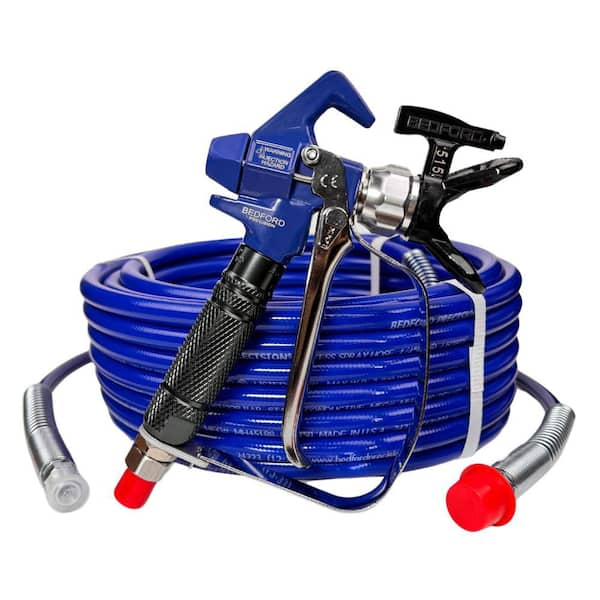
Airless Paint Sprayer Gun: How airless spraying works, high-pressure pump, spray tips, large-area coverage, walls, ceilings, exterior siding, fences, decks.
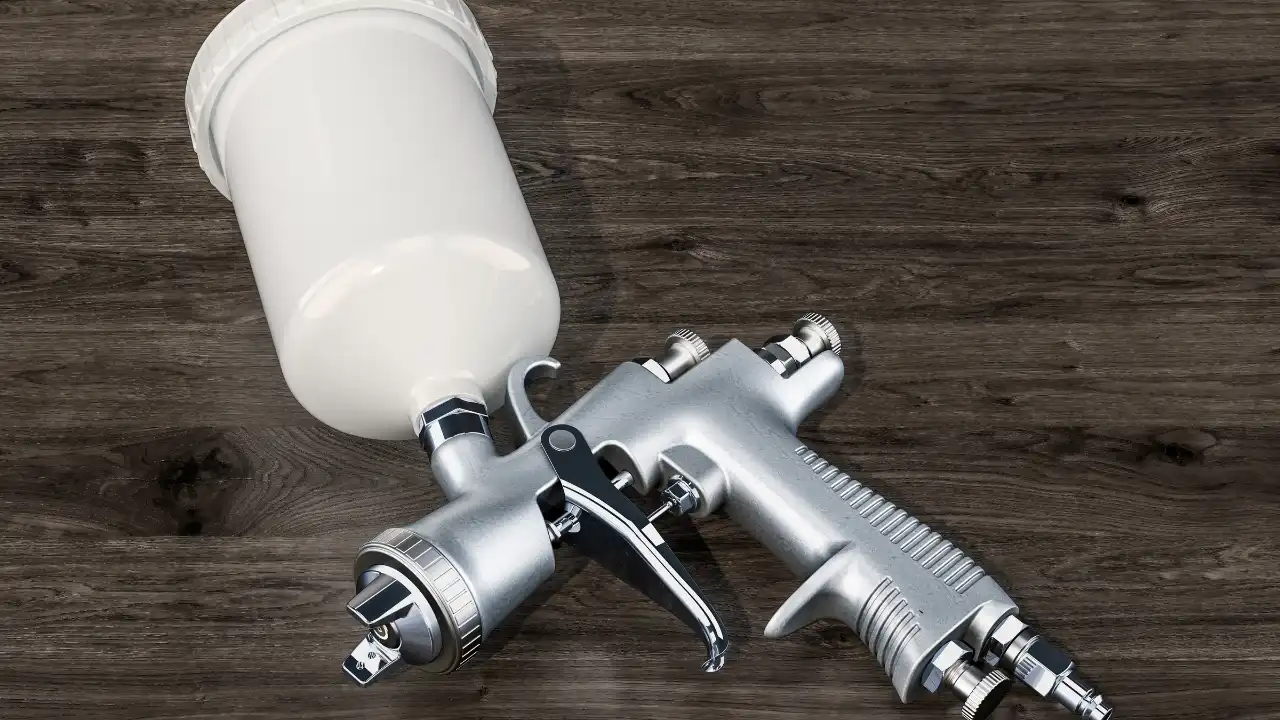
Pneumatic Paint Sprayer Gun: Compressed air, compressor requirements, PSI, CFM, finish quality, professional applications.
Handheld Electric Paint Sprayer: Compact design, built-in motor, ease of use, small DIY projects, limitations, paint capacity.
Gravity-Feed vs Siphon-Feed Spray Guns: Paint cup location, material flow, efficiency, common applications.
Turbine Paint Sprayers: Single-stage vs multiple-stage turbine, HVLP turbine systems, portability, compressor-free operation.
Choose Based on Project Size: Small furniture, cabinets, doors, single room, whole house, fence, exterior walls.
Choose Based on Desired Finish: Fine finish, general coverage, heavy coatings, professional finish.
Choose Based on Paint Type: Latex, acrylic, enamel, primer, stain, polyurethane, lacquer.
Choose Based on Your Experience: Beginner, DIY homeowner, experienced DIYer, professional painter.
Choose Based on Cleanup Time: Small cup, large tank, disposable liners, removable components.
Paint Sprayer Gun Buying Checklist: Adjustable pressure, variable spray pattern, nozzle sizes, replacement parts, hose length, paint capacity, weight, warranty, cleaning requirements.
Small Nozzles: Stains, clear coats, thin finishes.
Medium Nozzles: Enamel, acrylic, general-purpose paints.
Large Nozzles: Latex, primer, thick coatings.
Understanding Airless Spray Tip Numbers: Example 515, first digit, orifice size, fan width calculation, why tip wear matters.
Latex Paint: When thinning may be needed, straining, tip selection, pressure.
Acrylic Paint: General spraying, finish quality.
Enamel Paint: Fine atomization, drying considerations.
Primer: Thick consistency, larger tip.
Stain: Excellent spray application, wood projects.
Polyurethane and Clear Coats: Fine finishing, nozzle considerations, dust control.
Can You Spray Oil-Based Paint?: Compatibility, ventilation, cleanup, solvent requirements.
How to Check Paint Viscosity: Viscosity cup, manufacturer instructions, test spraying.
How Much Should You Thin Paint?: Avoid guessing, add gradually, record your successful ratio.
Problems Caused by Over-Thinning: Runs, poor coverage, weak film, excessive overspray.
Problems Caused by Paint That Is Too Thick: Clogging, spitting, poor atomization, uneven finish.
Prepare the Surface: Sanding, cleaning, degreasing, repairing holes, removing loose paint.
Protect the Work Area: Drop cloths, plastic sheeting, masking tape, windows, floors, furniture, ventilation.
Prepare the Paint: Mix thoroughly, strain paint, thin if required.
Test the Spray Pattern: Cardboard test, even fan, no heavy center, no tails.
Hold the Gun Correctly: Distance, 90-degree angle, wrist position.
Use the Correct Spraying Motion: Start moving, pull trigger, move steadily, release trigger, overlap passes.
Apply Multiple Thin Coats: Flash time, drying time, recoating.
Ideal Spraying Distance: HVLP, airless, pneumatic.
Keep the Gun Perpendicular: Avoid arcing, keep nozzle parallel.
Smooth Finish: Surface preparation, correct paint consistency, correct pressure, proper spray distance, 50% spray overlap, light coats, sanding between coats.
Paint Sprayer Is Spitting: Dirty nozzle, loose parts, thick paint, low material supply.
Uneven Spray Pattern: Clogged tip, damaged tip, incorrect pressure.
Paint Runs and Drips: Too much material, too slow movement, too close.
Orange Peel Finish: Poor atomization, thick paint, incorrect pressure, environmental conditions.
Paint Is Not Coming Out: Clogged nozzle, empty cup, blocked tube, incorrect assembly.
Too Much Overspray: Excessive pressure, wrong tip, poor technique, wind.
Dry Spray: Gun too far away, paint drying before reaching surface, environmental conditions.
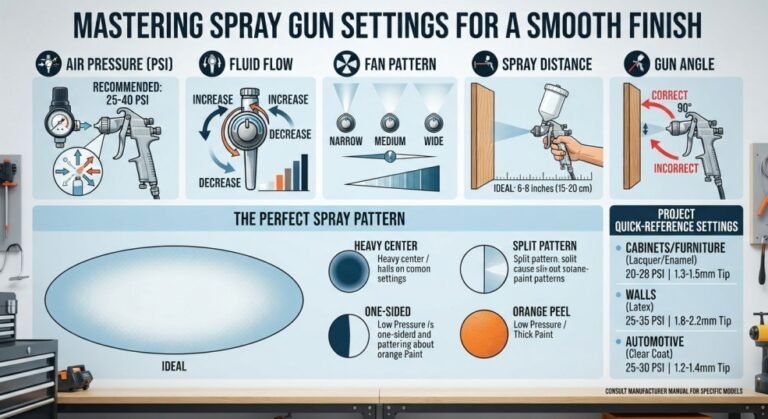
Pressure Settings: PSI, CFM for pneumatic guns, airless pressure settings, HVLP pressure settings, signs pressure is too high, signs pressure is too low.
Paint Sprayer Techniques for Different Surfaces: Vertical passes, overlap, back-rolling, overspray protection, spray direction, lighting, sanding, primer, fine finish, multiple coats, detail work, smaller nozzle, controlled coats, remove hardware, horizontal positioning, edges, large-area coverage, exterior paint, overspray control, stain application, back-brushing, weather considerations, automotive coatings, proper equipment, professional-level safety considerations.
Paint Sprayer vs Brush vs Roller: Paint sprayer vs roller, paint sprayer vs brush, when a sprayer is faster, when a roller is better, when to combine sprayer and back-rolling.
How to Reduce Paint Waste: Correct pressure, correct tip, proper masking, efficient movement, avoid excessive overlap.
Cleaning a Paint Sprayer Gun: Cleaning after water-based paint, cleaning after oil-based paint, cleaning an HVLP gun, cleaning an airless sprayer, cleaning the spray tip, cleaning the paint cup, preventing dried paint.
Paint Sprayer Gun Safety: Respiratory protection, eye protection, ventilation, flammable paint safety, airless injection injury, high-pressure hazard, never place hands near the spray, relieve pressure before maintenance, safe storage.
Paint Sprayer Gun Maintenance: Inspect the nozzle, check filters, inspect seals and O-rings, check hoses, store the gun properly, know when to replace spray tips.
Best Paint Sprayer Gun for Specific Projects: Best paint sprayer gun for beginners, furniture, cabinets, walls, ceilings, exterior paint, fences, deck stain, small DIY projects.
Paint Sprayer Gun Cost: Budget paint sprayers, mid-range paint sprayers, professional paint sprayers, features worth paying for.
Paint Sprayer Gun Buying Mistakes: Buying too much sprayer, buying too little sprayer, ignoring tip sizes, ignoring paint compatibility, forgetting cleanup, not checking replacement parts, skipping the test spray.
How a Paint Sprayer Gun Actually Works (In Plain English)
At its core, a paint sprayer gun pushes paint through a narrow opening and turns it into a mist. That mist forms a fan that lays down thin, even coats. Air can do the atomizing, as in HVLP or pneumatic guns. Pressure alone can do it too, as in airless guns. The trick is the right match of pressure, tip size, and paint thickness.
Think of atomization like turning a hose into a fog. A nozzle squeezes and shapes the stream. The tighter the path and the higher the energy, the finer the droplets get. Fine droplets mean a smooth finish. Large droplets mean texture and orange peel.
Your hand controls flow with the trigger. Your distance and speed shape the finish. A steady pass at a set distance makes a flat, level coat. Arcing or stopping can dump excess paint and cause runs. Practice on cardboard before you hit the wall.
Types of Paint Sprayer Guns and When to Use Each
Choosing the best paint sprayer gun starts with the project. Big walls, small trim, fine furniture, and deck rails each ask for a different tool. Learn the strengths and the limits of each type and you will save time and avoid mistakes.
HVLP Paint Sprayer Guns
HVLP means high volume, low pressure. These guns push a lot of air at low pressure to make a soft, fine mist. They shine on detail work where you want control and less overspray. This makes them great for cabinets, doors, trim, and furniture.
HVLP guns can be turbine-powered or run off a compressor. They work well with thin to medium paints, like stains, clear coats, lacquers, and many acrylics. With latex, you may need thinning, a larger needle set, and good technique.
You will love the control HVLP gives you. The fan is gentle, the overspray is lower than airless, and the finish can be glassy with the right setup. Take your time, use light coats, and let flash times guide you.
Airless Paint Sprayer Guns
Airless sprayers use a pump to push paint to very high pressure. The paint blasts through a small tip and breaks into mist without air. Airless systems can coat big areas fast, like walls, ceilings, siding, fences, and decks.
An airless gun pairs with tips like 515 or 619. Tip size and fan width control your speed and coverage. Larger tips move thick paints like latex and primer. Smaller tips help with trim and low-viscosity coatings.
Airless is fast, but overspray can be high. Mask well and work in steady passes. Many pros spray and then back-roll walls to drive paint into the surface and even out the sheen.
Pneumatic (Conventional) Spray Guns
Pneumatic guns use compressed air from a shop compressor. They can lay down top-tier finishes with the right PSI and CFM. This is a classic choice for auto work, fine wood finishes, and shop use.
You need a compressor that can keep up. Check CFM at the gun’s rated PSI. If the compressor is too small, the gun will starve for air. That causes poor atomization and a rough spray.
Pneumatic guns can be set for fine atomization. They give repeatable results on enamel, lacquer, and clears. The learning curve is a bit steeper than a basic handheld, but the payoff is high.
Handheld Electric Paint Sprayers
Handheld sprayers have a small motor and a built-in cup. They are light, portable, and simple to use. They shine on small projects like chairs, small doors, crafts, and quick touch-ups.
Their capacity is limited. The cup runs out fast. The motor can get warm. Thick paints may stress the unit or need thinning. For big walls, a larger HVLP turbine or an airless rig is a better fit.
Still, for light work, a handheld can be great. It is a grab-and-go tool that helps new users learn spray basics without a big investment.
Gravity-Feed vs Siphon-Feed
Gravity-feed guns have the cup on top. Paint flows down into the nozzle. This makes them efficient with less waste and easier cleanup. They are common in auto and cabinet work.
Siphon-feed guns have the cup below. The gun pulls paint up into the body. They can hold more paint in larger cups, but they may need more air to draw paint. They still have fans in wood shops and body shops.
Pick gravity-feed when you want better transfer and control. Pick siphon-feed when you need capacity and are set up for it.
Turbine HVLP Systems
Turbine sprayers use a blower to make low-pressure, high-volume air. They do not need a compressor. Single-stage turbines are small, while multi-stage turbines give more power for thicker finishes.
Turbines are portable. You can carry them around the house or yard. They are great for trim, cabinets, small furniture, and doors. With enough stages and the right needle set, they can handle many water-based paints.
Match the turbine to your paint and your project size. Use filters and keep dust out to protect your finish.
How to Choose the Right Paint Sprayer Gun
Buying a paint sprayer gun is like choosing a car for a trip. You match the vehicle to the road, the load, and the driver. Do the same with your project, your paint, your skill, and your time.
Choose Based on Project Size
For small furniture, cabinets, and doors, go with HVLP or a quality handheld. For a single room, a small airless or HVLP can work. For a whole house, a mid to large airless saves time. For fences and exterior walls, airless with the right tip is the go-to.
Choose Based on Desired Finish
For a fine finish, pick HVLP or a high-end pneumatic gun. For general coverage, a mid-size HVLP or small airless works well. For heavy coatings, a strong airless is ideal. For a pro finish on wood, HVLP or pneumatic with fine needles wins.
Choose Based on Paint Type
Latex, acrylic, enamel, primer, stain, polyurethane, and lacquer all spray well with the right setup. Thin paints like stain and lacquer suit HVLP and pneumatic. Thicker paints like primer and latex favor airless or HVLP with thinning and larger needles.
Choose Based on Your Experience
A beginner or DIY homeowner can start with a handheld or small HVLP. An experienced DIYer can handle a mid-range airless or turbine HVLP. A professional painter may need a pro airless and a fine-finish HVLP gun.
Choose Based on Cleanup Time
A small cup is fast to clean, but needs refills. A large tank or airless system takes longer to clean. Disposable liners and removable parts reduce cleanup time and stress.
Buying Checklist for Your Paint Sprayer Gun
Look for adjustable pressure, variable spray pattern, a range of nozzle sizes, and easy access to replacement parts. Check hose length, paint capacity, weight, and warranty. Understand the cleaning steps and tools needed.
Nozzles, Needles, and Airless Tips Explained
Your nozzle or tip acts like the “pencil” that draws the paint fan. The size and shape control flow, fan width, and finish. Small changes here can fix many problems before they start.
Nozzle Sizes and What They Spray Best
Small nozzles suit stains, clear coats, and thin finishes. Medium nozzles fit enamel, acrylic, and many general-purpose paints. Large nozzles are for latex, primer, and thick coatings.
When in doubt, check the sprayer’s chart. Use the smallest size that still gives good coverage. If the finish looks dry or the fan has tails, you might be too small or your paint is too thick.
Understanding Airless Spray Tip Numbers
Airless tips use a code like 515. The first digit tells fan width. Double it for inches at about 12 inches from the wall, so a 5 means a 10-inch fan. The next two digits tell orifice size in thousandths of an inch, so 15 means 0.015 inches.
Tip wear matters. Paint is abrasive. As tips wear, they put out more paint and widen the fan. This can waste paint and reduce control. Replace tips when your speed drops or your pattern looks uneven.
Paint Types, Viscosity, and Thinning
Paint viscosity is how thick the paint is. Thick paint needs more pressure or a bigger tip. Thin paint needs less pressure and smaller tips. Aim for a flow that atomizes well without runs.
Latex Paint
Latex is common for walls, ceilings, and trim. Some latex can spray without thinning in a strong airless. Many HVLP units need thinning. Always strain latex to remove lumps. Pick a tip like 515 for walls and adjust pressure until the fan looks even.
Acrylic Paint
Acrylic paints spray well and level nicely. They work with HVLP, airless, and pneumatic guns. You can get a fine finish with a medium tip and correct pressure.
Enamel Paint
Enamel needs fine atomization. Many users pick pneumatic or good HVLP for enamel. Watch drying times and dust. Light coats help avoid sags.
Primer
Primer is often thick. Use a larger tip or needle set. Airless handles primer well with tips like 517–521, depending on the brand and thickness.
Stain
Stain sprays like a dream. It is thin, so use small tips or needles. Watch for drips on vertical wood. Back-brush or back-wipe to push stain in and even the color.
Polyurethane and Clear Coats
Clear coats show every flaw. Use fine tips and controlled pressure. Keep dust down. Spray light coats and sand between coats for a glass finish.
Can You Spray Oil-Based Paint?
Yes, you can spray oil-based paint with many sprayers. Use the right tip, watch for fumes, and ventilate well. Clean with the correct solvent, like mineral spirits or naphtha, not water.
How to Check Paint Viscosity and How Much to Thin
Use a viscosity cup if your gun’s manual shows a target time. Follow the paint label for thinning rules. Add thinner a little at a time, mix well, and test spray on cardboard. Record your successful ratio so you can repeat it next time.
What Happens If You Thin Too Much or Not Enough
Over-thinning causes runs, poor coverage, a weak paint film, and more overspray. Paint that is too thick causes clogging, spitting, poor atomization, and a rough, uneven finish. Aim for a smooth fan with no heavy center or tails.
Set Up for Success: Prep, Masking, and Test Sprays
Great spray jobs begin before you pull the trigger. Clean, repair, and mask now to save hours later. A five-minute test spray can save a five-hour do-over.
Prepare the Surface
Sand glossy spots. Clean dirt, dust, and grease. Fill and repair holes. Remove loose paint. A smooth, sound base helps paint grab and level.
Protect the Work Area
Use drop cloths and plastic sheeting. Mask windows, floors, trim, and furniture. Close doors and cover vents where needed. Add fans for ventilation when safe.
Prepare the Paint
Mix the paint well. Strain it to remove bits. Thin it if the tool or the label calls for it. Then stir again and load the cup or prime the pump.
Test the Spray Pattern
Spray on cardboard. Look for an even fan, no heavy center, and no tails at the edges. Adjust pressure, tip, or thinning until the fan looks right.
Spraying Technique: Distance, Motion, and Overlap
Your hands make the final difference. Hold the gun the right way, move at a steady speed, and layer thin coats. Small habits lead to a pro look.
Hold the Gun Correctly
Keep a steady distance from the surface. Stay at a 90-degree angle. Move your arm, not just your wrist, so the nozzle stays parallel.
Use a Smooth, Consistent Motion
Start moving before you pull the trigger. Keep moving at the same speed. Release the trigger at the end of each pass. Overlap each pass by about 50 percent.
Apply Multiple Thin Coats
Thin coats dry faster and level better. Follow the flash time and dry time on the can. Recoat once the paint is ready. Sand between coats if you want a very smooth finish.
Ideal Spraying Distance by Sprayer Type
With HVLP, stay around 6–8 inches from the surface. With airless, 10–12 inches is common. With pneumatic guns, 6–8 inches often works well. Always tune by test sprays.
Keep the Gun Perpendicular
Do not arc your passes. Arcing makes heavy spots at the middle and light edges. Keep the nozzle parallel for even coverage across the pass.
Getting a Smooth Finish
Start with surface prep. Use correct paint consistency and pressure. Hold the right distance and use 50 percent overlap. Spray light coats and sand between coats for a mirror look on cabinets and furniture.
Dialing In Settings: PSI, CFM, and Pressure
Pressure and air are your volume knobs. A small tweak can fix orange peel, runs, or tails. Learn the signs of too high and too low.
PSI and CFM for Pneumatic Guns
Follow the gun’s chart for PSI at the gun and CFM needs. If your compressor cannot keep up, pressure will drop and spray will suffer. Add a regulator and water trap for steady, dry air.
Airless Pressure Settings
Start low and raise pressure until tails disappear. Too much pressure causes overspray and bounce-back. Too little gives a rough, streaky fan. Watch the fan and listen to the pump.
HVLP Pressure and Tuning
With turbine HVLP, choose the right stage and adjust the material and fan knobs. With compressor HVLP, set inlet pressure and dial in fluid flow. Test and tweak until atomization is clean and the fan is balanced.
Signs Pressure Is Too High or Too Low
Too high: lots of overspray, fog in the air, bounce-back, thin coverage. Too low: tails at the fan edges, spitting, rough or orange peel texture, uneven pattern. Fix it by small, careful changes.
Troubleshooting: Quick Fixes to Common Problems
Every painter runs into hiccups. The fix is often simple. Check the tip, the paint, and the pressure, then adjust your distance and speed.
Paint Sprayer Is Spitting
Check for a dirty nozzle, loose parts, or thick paint. Make sure the cup has enough material or the pickup is sealed. Clean, tighten, thin if needed, and try again.
Uneven Spray Pattern
Look for a clogged or damaged tip. Clean or replace it. Raise pressure in small steps if needed. Test until the fan looks even.
Paint Runs and Drips
You used too much material, moved too slow, or got too close. Back off the flow, speed up your pass, or increase distance. Light coats help prevent sags.
Orange Peel Finish
This means poor atomization. The paint may be thick, or pressure may be off. Thin a little, raise pressure a touch, or warm the room within spec. Always test before resuming.
Paint Is Not Coming Out
The nozzle may be clogged. The cup may be empty. The tube may be blocked, or the gun may be assembled wrong. Check each point, clean or fix it, and test.
Too Much Overspray
Pressure is too high, or you have the wrong tip. Technique matters too. Shield from wind outdoors. Lower pressure, pick the right fan, and get closer within the safe range.
Dry Spray
You are too far away, or the paint is drying before it hits the surface. This can be due to heat, wind, or low humidity. Move closer, adjust pressure, or wait for better conditions.
Techniques for Different Surfaces and Spaces
One method does not fit all jobs. Tweak your setup and movement to match walls, trim, cabinets, and exteriors. Good lighting and a plan help you spot misses and avoid runs.
Interior Walls and Ceilings
Use vertical passes for walls and a steady overlap. Many pros spray then back-roll to push paint in and smooth the texture. Mask well, and cover floors and windows. Check lighting as you work.
Doors, Trim, and Cabinets
Prep is key. Clean, sand, and prime. Remove hardware and lay doors flat if you can. Use a smaller nozzle and controlled coats for a fine finish. Spray in thin passes and sand between coats.
Furniture and Fine Woodwork
Aim for a dust-free space. Use HVLP or pneumatic with fine tips. Spray light, even coats. Let each coat flash and dry, then scuff sand for a silky feel.
Exterior Siding, Fences, and Decks
Use airless for speed. Watch wind and weather. For stain, spray and back-brush to drive product into the wood. Shield plants and windows, and work in sections to keep a wet edge.
Automotive and Specialty Coatings
Use proper equipment, filters, and safety gear. Control temperature, humidity, and dust. Follow the data sheet for flash times and recoat windows. Practice panels help dial in the fan.
Paint Sprayer vs Brush vs Roller
Sprayers are fast and smooth, but masking takes time. Rollers are simple and good for walls with texture. Brushes make detail work crisp and are great for cut lines. Know when to use each tool.
A paint sprayer gun beats a roller for speed on big, open areas and for a fine finish on cabinets. A roller can be better when you want to push paint into rough surfaces with low overspray. Combine spraying with back-rolling on walls and ceilings for the best of both.
How to Reduce Paint Waste and Overspray
Waste adds cost and cleanup. You can cut it with smart setup and clean technique. The right tip and pressure go a long way.
Use the correct pressure for your paint and tip. Pick a fan width that matches the surface. Mask smart, move with steady passes, and avoid overlapping more than 50 percent. Keep the gun the right distance from the work.
Cleaning Your Paint Sprayer Gun the Right Way
Clean right away. Dried paint is hard to remove and can ruin parts. A clean sprayer works better and lasts longer.
Cleaning After Water-Based Paint
Flush with warm water until it runs clear. Use a brush to clean the nozzle, needle, and air cap. Wipe the cup and seals. Run a final rinse and let parts dry.
Cleaning After Oil-Based Paint
Use the correct solvent. Circulate it through the system until clear. Clean the tip, guard, and cap with a soft brush. Dispose of solvent per local rules.
Cleaning an HVLP Gun
Disassemble the cup, nozzle, air cap, and needle. Soak parts as allowed by the manual. Use a gentle brush. Do not scratch the needle or orifice. Reassemble and test with water.
Cleaning an Airless Sprayer
Flush the hose and pump with water or solvent. Clean the intake screen and filters. Remove the tip and guard and clean them well. Store with pump protector if the manual calls for it.
Cleaning the Spray Tip and Cup
Use a tip cleaning tool or soft brush. Never poke with hard wire. Rinse the cup and seal. Check for cracks or wear. Replace worn parts to prevent leaks.
Preventing Dried Paint
Do not let paint sit in the gun. If you must pause, wrap the tip in plastic and keep it moist. If you stop for the day, flush the system. A quick clean now saves hours later.
Safety First: Protect Yourself and Your Space
Sprayers move paint into the air. Breathe safe, see clear, and handle pressure with care. Know the hazards before you start.
Wear a respirator rated for the paint you use. Add eye protection and gloves. Ventilate the space and avoid open flames with flammable products. Keep kids and pets away.
Airless sprayers can inject paint under the skin. Never place hands near the spray. Always engage the trigger lock and release pressure before maintenance. Store tools and solvents safely.
Maintenance: Keep Your Sprayer Running Like New
A few checks before and after each job can add years to your sprayer’s life. Replace worn parts before they fail.
Inspect the nozzle and tip for wear. Check filters for clogs. Look at seals and O-rings for cracks. Inspect hoses for kinks or leaks. Store the gun clean, dry, and protected. Replace tips when the pattern grows and speed drops.
Best Paint Sprayer Guns for Specific Projects
The “best” tool matches your job, your paint, and your skill. Here is a simple guide to help you pick with confidence.
Best for Beginners
A quality handheld electric sprayer or an entry HVLP turbine is a good start. It is simple, forgiving, and easy to clean. Use it for small projects to build skill.
Best for Furniture and Cabinets
Use HVLP or a fine-finish pneumatic gun with gravity-feed. Choose small to medium needles. Spray thin coats of acrylic, lacquer, or waterborne poly for a smooth finish.
Best for Walls and Ceilings
A mid-range airless sprayer with a 515 or similar tip is a classic choice. Spray and back-roll for even coverage. Mask well and work in good light.
Best for Exterior Painting
A strong airless with longer hose and larger tips handles siding and stucco. Add tip extensions for eaves and high walls. Plan for wind and overspray control.
Best for Fences and Deck Stain
Airless makes quick work of rails and boards. Spray and back-brush stain to push it in. Use smaller tips for thin stains and larger for thick, semi-solid products.
Best for Small DIY Projects
A handheld sprayer shines on chairs, planters, and quick touch-ups. Keep paints thin to avoid strain. Clean right after use to keep it ready.
What a Paint Sprayer Gun Costs (and What to Pay For)
Prices span a wide range. Spending a bit more can save time and paint. Focus on the features that match your goals.
Budget Paint Sprayers
These include small handhelds and basic HVLP kits. They handle light jobs and thin paints. Great for getting started, but may struggle with heavy use or thick latex.
Mid-Range Paint Sprayers
This tier covers good turbine HVLP units and homeowner airless rigs. They balance power, speed, and cost. They can handle most home projects with the right tips.
Professional Paint Sprayers
Pro airless machines and high-end HVLP or pneumatic guns cost more. They deliver speed, fine control, and durability. If you spray weekly, the return is clear.
Features Worth Paying For
Adjustable pressure, a wide tip range, easy-to-find parts, durable hoses, and solid warranties matter. Quick-clean features and liners save time. Ergonomics reduce fatigue on long days.
Avoid These Buying Mistakes
Common mistakes are easy to dodge once you know them. Check your paint, your project, and your patience for cleanup.
Do not buy too much sprayer for a small job. Do not buy too little for a big house. Do not ignore tip sizes or paint compatibility. Plan for cleanup and make sure replacement parts are easy to get. Never skip your test spray.
Paint Sprayer Gun FAQs
Is a paint sprayer gun better than a roller?
It depends. A sprayer is faster on large areas and gives a smoother finish. A roller is simpler and has less overspray. Many pros use both and back-roll sprayed walls.
Is a paint sprayer gun worth it for DIY projects?
Yes, if you paint more than once or care about a smooth finish. It saves time on doors, trim, fences, and rooms. It also makes cabinet jobs look pro.
Can you spray latex paint with a paint sprayer gun?
Yes. Airless sprayers handle latex well. HVLP can spray latex with thinning and larger needles. Always strain latex to avoid clogs.
Do you have to thin paint for a paint sprayer?
Sometimes. Airless often needs no thinning for latex. HVLP and pneumatic may need thinning for thick paints. Follow the manual and test first.
Can you use a paint sprayer indoors?
Yes, with good masking and ventilation. Wear a respirator and eye protection. Control overspray with smart prep.
How far away should you hold a paint sprayer?
With HVLP and pneumatic, about 6–8 inches. With airless, about 10–12 inches. Adjust by test spraying.
What PSI should I use for a paint sprayer?
Follow the gun’s spec. HVLP often lists inlet PSI and turbine stages. Pneumatic guns need enough PSI and CFM to atomize well. Airless uses a pressure knob, not PSI at the gun; start low and raise until tails vanish.
What size nozzle is best for latex paint?
For airless, tips like 515 or 517 are common on walls. For HVLP, use a larger needle set and thin as needed. Always check the maker’s chart.
Why is my paint sprayer spitting?
The nozzle may be dirty, parts may be loose, or the paint is too thick. The cup might be low. Clean, tighten, thin, and test.
Why does my paint sprayer leave orange peel?
Poor atomization causes texture. Thin a bit, raise pressure slightly, or adjust distance. Control temperature and humidity.
Why is my paint sprayer not spraying?
A clogged nozzle, empty cup, blocked tube, or wrong assembly could be the cause. Clean, refill, reassemble, and test.
How do you clean a paint sprayer after use?
Flush with water for water-based paints or solvent for oil-based. Disassemble tips and caps. Brush clean, rinse, and dry. Follow your manual.
Can you leave paint in a paint sprayer overnight?
It is not a good idea. Paint can dry and clog parts. If you must pause, wrap the tip in plastic and keep it moist, but flush as soon as you can.
Can a paint sprayer give a smooth finish?
Yes. With the right tip, thin coats, and good prep, sprayers can make a glass-smooth finish on cabinets and furniture.
What is the best paint sprayer gun for beginners?
A quality handheld or entry-level HVLP turbine. They are easy to use and clean. Start small and learn with light coats and test sprays.
Conclusion
A paint sprayer gun can turn hard painting days into fast, clean wins. Match the sprayer to your job, pick the right tip, and set the pressure with a short test spray. Keep your distance steady, overlap your passes, and lay down thin coats.
Prep well, mask smart, and think about safety and cleanup before you start. With a few simple habits, you will get pro-level results on walls, cabinets, doors, fences, and more. Once you learn the rhythm, you will wonder how you ever painted without a sprayer.
2 Comments
Comments are closed.