
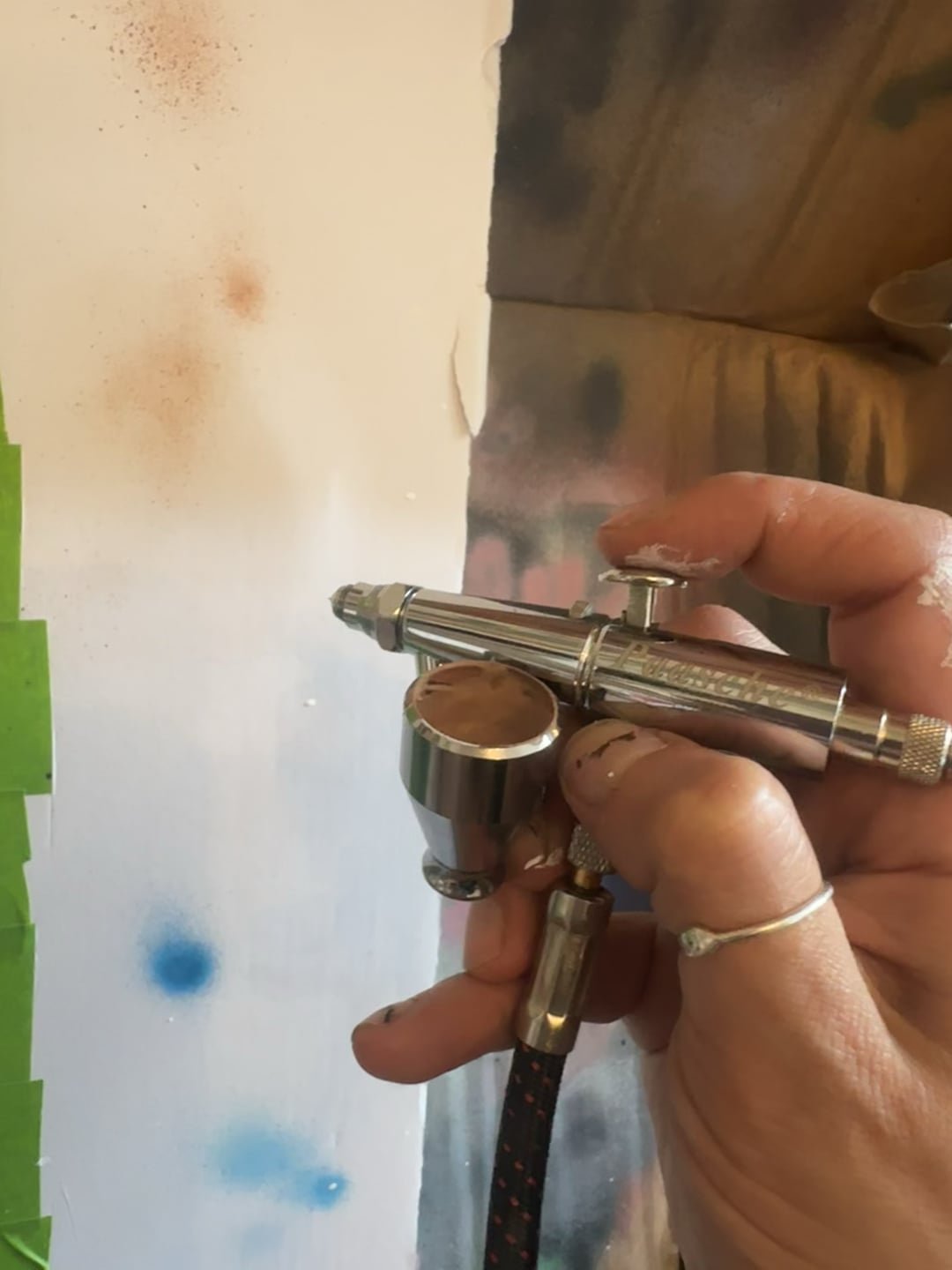
5 Causes Your Spray Gun Pulsing (And How to Fix It Fast)
Spray gun pulsing is a pressure or flow surge that causes uneven spray. I’ve seen this dozens of times across HVLP, airless, and air‑assisted airless rigs. In this guide, I’ll explain spray gun pulsing in plain language, show you proven fixes, and help you prevent it for good—whether you’re spraying cabinets, cars, or walls.
What Is Spray Gun Pulsing?
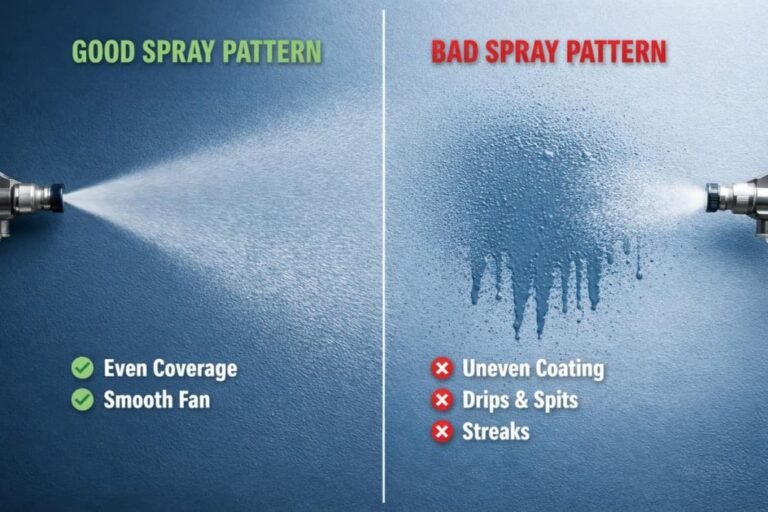
Spray gun pulsing is a repeating surge in air or fluid that causes an unstable fan pattern. You’ll see bands, light and heavy spots, or hear the gun “hunt” as pressure rises and falls. It can show as spitting at startup or a steady throb during a pass.
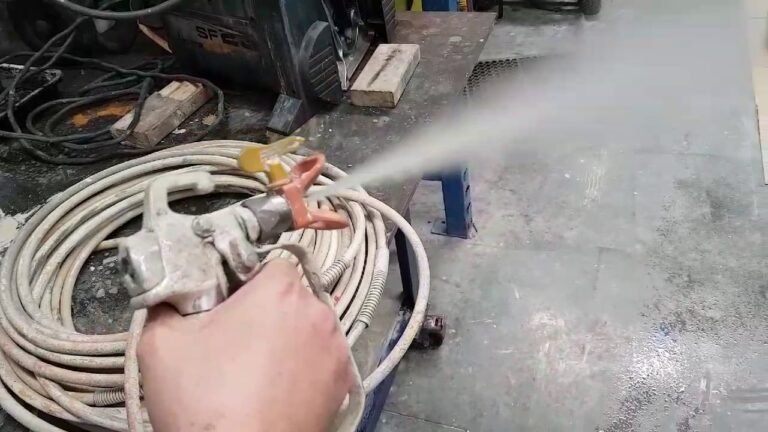
It happens with many systems. HVLP guns can pulse when the compressor cannot keep up. Airless pumps can pulse when a check valve sticks or when the tip is wrong for the coating. The key is to find if the pulse comes from air, fluid, or the tool.
Why it matters: spray gun pulsing wastes material, adds rework, and ruins finish quality. It also puts wear on pumps, regulators, and seals.
Spray Gun Spraying Large Droplets: 7 Steps To Fixes And Settings
Common Causes of Spray Gun Pulsing
Pulsing can come from supply, material, or the gun itself. Use this section to match symptoms to causes.
Air supply problems
When air is unstable, HVLP and LVLP guns pulse first.
- Compressor too small for the job. If CFM demand is higher than supply, pressure drops between passes.
- Regulator or filter restriction. A clogged filter or cheap regulator can “creep” and swing pressure.
- Moisture in the line. Water slugs change flow and cause spray gun pulsing mid-pass.
- Kinked hose or quick-connect leaks. Small leaks add up and starve the gun.
Fluid delivery issues
An uneven fluid path makes the fan surge.
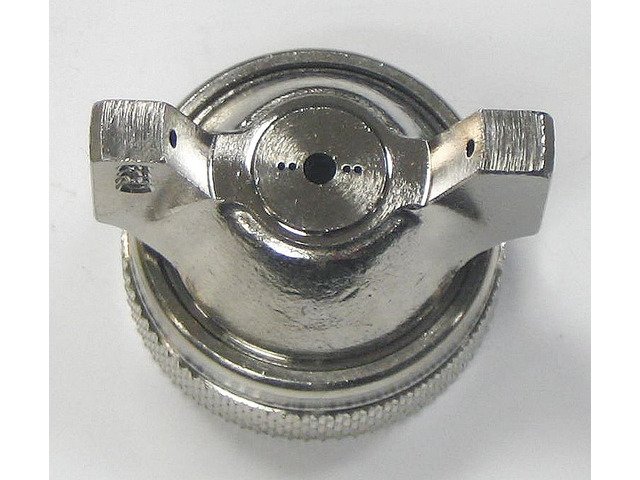
- Clogged tip or partially blocked air cap. Dry paint specks disturb atomization.
- Dirty or collapsed inlet strainer. Pumps and cups starve, then surge.
- Thick material or wrong reducer. Viscosity too high causes sputter and spray gun pulsing.
- Cup vent blocked. Gravity or siphon feed cups need a clear vent to flow smooth.
- Old or aerated paint. Air bubbles collapse in the line and break the fan.
Mechanical faults
Worn parts cycle under load and create surges.
- Worn needle, seat, or tip. The seal is not stable and flow varies.
- Weak or damaged gun spring. Trigger movement does not match flow.
- Airless check valve or packings worn. The pump struggles to hold pressure between strokes.
- Failing diaphragm or missing pulsation dampener. Pressure waves reach the hose and gun.
Technique and setup errors
Even a healthy system can pulse if set up wrong.
- Fan and fluid knobs open too far for the air supply.
- Long, narrow hoses that drop pressure under flow.
- Holding the gun too far, then compensating with more fluid.
- Not straining paint before filling the cup.
Environment and coating factors
Small changes can push a system into spray gun pulsing.
- Cold shop or cold coating. Viscosity rises and flow falls.
- Fast-evaporating solvent in hot, dry air. Tip dries and clogs.
- switching products without matching tip size and filters.
Step-by-Step Troubleshooting Checklist
Before you tear the tool apart, run this quick flow. It covers most causes of spray gun pulsing in minutes.
- Observe the fan on cardboard. Look for light/dark bands, spits, or a heartbeat sound.
- Check pressure at the gun while spraying. Watch a gauge. If pressure drops more than 10 PSI under load on HVLP, air supply is weak or restricted.
- Clean the tip, air cap, and fluid passages. Use proper brushes and solvent. Always strain the material.
- Confirm material fit. Measure viscosity with a Zahn cup. If it drains too slow, thin within spec.
- Inspect filters and strainers. Clean or replace the inlet strainer, gun filter, and pump filter. Match mesh to coating (for example, 100–150 mesh for lacquer).
- Test with a short, known-good hose. If pulsing stops, the old hose or couplers are the issue.
- Bypass add-ons. Remove swirlers, inline valves, or cheap regulators. Simplify the path and retest.
- For airless, engage the prime/recirc valve. If pulsing stops in recirc, the gun or tip is the restriction. If it still pulses, suspect pump packings or check valves.
- Check for air leaks and water. Spray soapy water on fittings. Drain the compressor tank. Install a dryer if you see moisture.
- Confirm the compressor or pump sizing. Match CFM and PSI to the gun. For HVLP guns, many need 7–13 CFM at 25–30 PSI at the gun.
If the problem remains, inspect wear parts: needle, seat, springs, check valves, packings, and diaphragms. Replace in sets where possible.
Fixes by System Type
Different spray systems show spray gun pulsing in different ways. Use the right fix for each.
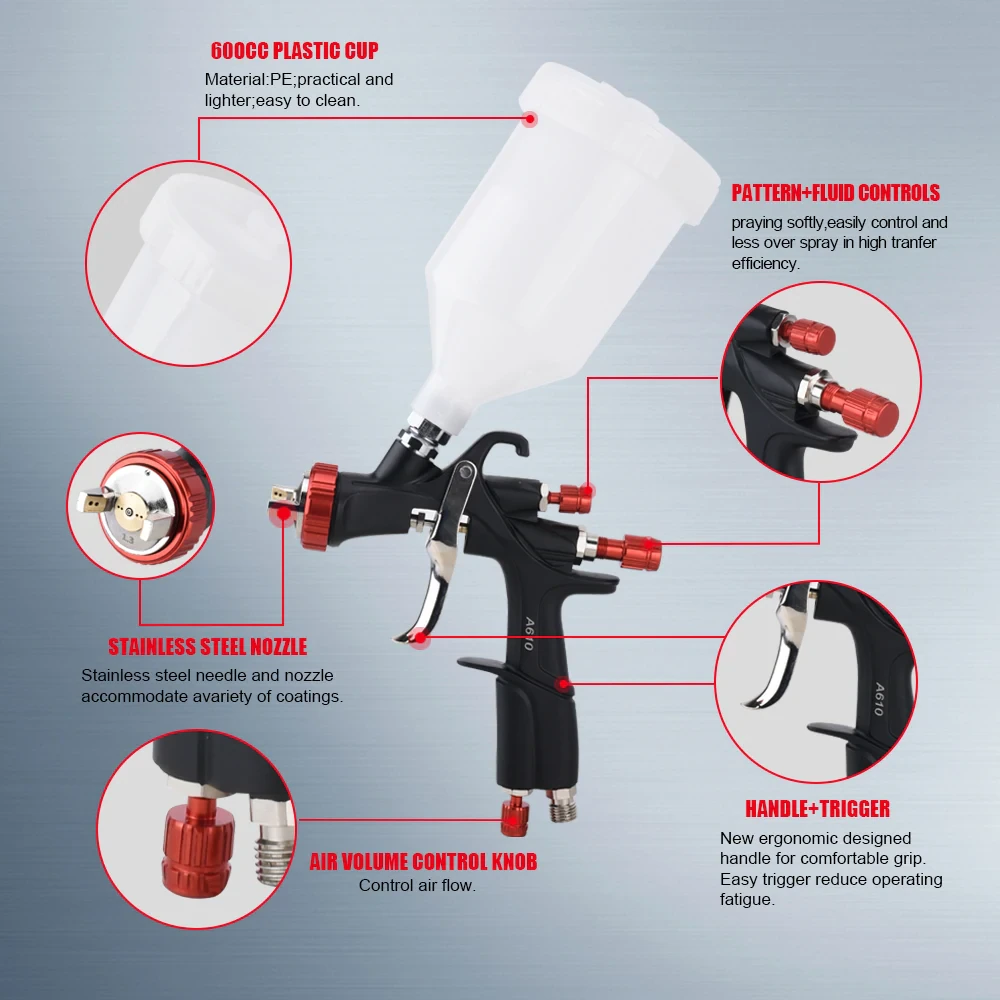
HVLP and LVLP guns
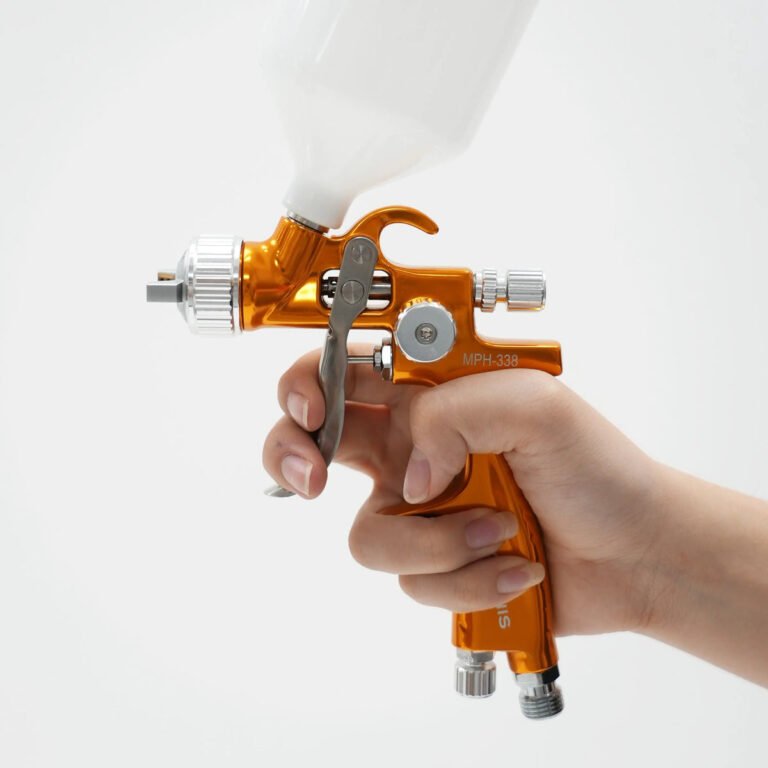
HVLP often pulses when starved of air or with dry tip build.
- Use a quality regulator at the gun, not just at the tank.
- Keep hoses short and wide. A 3/8-inch hose flows better than 1/4-inch.
- Add a moisture trap and, in humid shops, a desiccant dryer.
- Clean the air cap often when spraying fast-dry coatings. A soft brush helps.
- Start with 25–30 PSI at the gun with the trigger pulled, then tune fan and fluid.
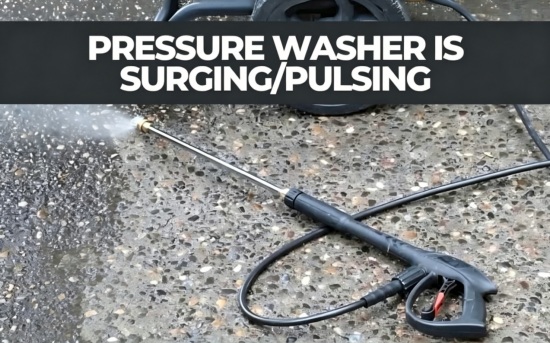
Airless pumps
Airless spray gun pulsing often points to pump or tip issues.
- Replace worn tip and check the tip size for the coating. Too small causes starvation.
- Service inlet and outlet check valves. Debris or a chipped ball causes surging.
- Inspect and replace packings if you see weeping, chatter, or pressure drop.
- Add or service a pulsation dampener if your model supports it.
- Set pressure only as high as needed for a clean fan, usually 1500–2500 PSI.
Air-assisted airless
These systems can pulse from both sides.
- Balance fluid pressure and assist air. Too little assist air gives stripes.
- Keep filters staged: coarse at pump, finer at gun.
- Use a clean, correct mesh tip filter to avoid sudden blockages.
Spray Gun Sputtering: 5 Quick Fixes to Stop Ruining Your Paint Job
Preventive Maintenance and Best Practices
Stop spray gun pulsing before it starts with simple habits.
- Strain every batch of material. Keep lids on to avoid skin and dust.
- Log your setup. Note tip size, mesh, pressure, and temp for each product.
- Service schedules. Replace filters and packings on a calendar, not only when they fail.
- Drain the compressor tank daily. Purge lines before each session.
- Store guns clean and dry. Lightly oil threads and moving parts as directed.
- Keep spare wear parts on hand. Tips, needles, seats, springs, and gaskets save jobs.
Pro Tips from the Field
Real jobs, real fixes. These are lessons that ended spray gun pulsing on site.
- A kitchen cabinet job with an HVLP gun started pulsing after lunch. The cause was water slugs in the line from a hot, humid day. We added a point-of-use dryer and drained the tank. The fan went smooth right away.
- An airless rig pulsed and made zebra stripes on a wall. The outlet check valve had a chip stuck to the ball. We cleaned the valve, replaced the ball and seat, and fitted a new tip. Pattern came back clean at 1800 PSI.
- A detail shop fought spray gun pulsing on clear coat. The compressor was rated at 6 CFM, but the gun needed 11 CFM. Upgrading to a higher CFM unit and a 3/8-inch hose fixed the surge and gave a glass finish.
- Cold morning in a garage, water-based enamel felt like syrup. We warmed the paint to room temp, used the maker’s reducer, and went one tip size up. Flow steadied and the fan evened out.

When to Repair vs Replace Components
Knowing when to stop tweaking saves time and money.
- Replace consumables first. Tips, needles, seats, and filters are cheap and cause most spray gun pulsing.
- Repair pumps when you see steady symptoms. If packings leak, the pump chatters, or pressure falls under a steady load, a packing kit and valve service are due.
- Replace hoses and regulators that creep or leak. Old rubber sheds debris and spreads the problem.
- If a gun body is bent, threads are stripped, or the seat is scarred, replacement is often cheaper than chasing faults.
Frequently Asked Questions of spray gun pulsing
Why does my spray gun pulse only at the start of a pass?
Startup pulsing usually means dried paint at the tip or air cap. Clean the cap, strain the paint, and purge a small amount into a cup before each session.
Can low compressor CFM cause spray gun pulsing?
Yes. If the compressor cannot supply the gun’s CFM at spray pressure, the fan will surge and fade as the tank cycles.
What tip size helps reduce pulsing with thicker coatings?
Use the maker’s chart and go up one size if flow is starved. Pair that with the correct filter mesh to stop sudden blockages.
How do I tell if my airless pump packings are bad?
Watch for chatter, pressure swings, or fluid leaking past the piston. If priming gets slow and the spray gun pulsing grows worse, plan a packing kit.
Will adding a moisture trap stop pulsing?
It often helps. A trap or dryer removes water slugs that cause sudden flow changes and rough atomization.
Is spray gun pulsing dangerous?
It can be if it leads to unexpected sprays at high pressure. Always depressurize, lock out power, and wear PPE before service.
Conclusion
Spray gun pulsing is a signal, not a mystery. Track it to air, fluid, or mechanical issues, fix the root cause, and your fan will go flat and even. Start with clean tips, proper filters, and steady pressure, then size your compressor or pump for the job.
Put this checklist to work on your next spray. If you found this helpful, subscribe for more hands-on finishing guides, or leave a comment with your setup and symptoms so we can troubleshoot together.

One Comment