Why Is Your Spray Gun Wide Spray Pattern: Get Even Coverage
A spray gun wide spray pattern covers more area, speeds work, and creates smoother, more even coats. A spray gun wide spray pattern can be the difference between a clean finish and a job filled with stripes, dry edges, and wasted paint.
The right fan width depends on the gun, fluid, pressure, nozzle, coating, and distance from the surface. This guide explains how wide patterns work, when to use them, how to adjust them, and how to avoid common spraying mistakes.
What Is a Spray Gun Wide Spray Pattern?
A spray gun wide spray pattern is the broad, fan-shaped stream created when a spray gun atomizes and spreads coating across a surface. The pattern may be narrow, medium, or wide. A wide fan places more material across each pass.
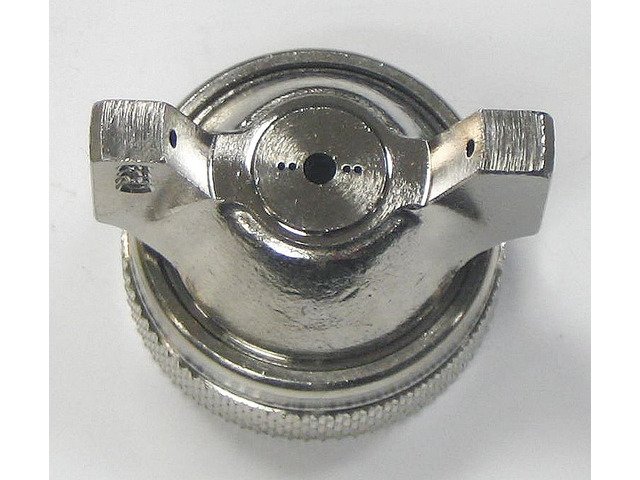
Most spray guns create this pattern through air caps, fluid tips, and adjustable fan controls. The air cap shapes the spray, while the fluid tip controls how much paint leaves the gun. Pressure then helps break the coating into small droplets.
Think of the spray pattern like a paint roller that has been stretched wider. It can cover more ground, but it also requires better control. If the gun moves too slowly, the center may become too wet. If it moves too far away, the edges may become dry.
A spray gun wide spray pattern does not always mean better coverage. The coating must still atomize well, overlap correctly, and land at the right wetness.
Benefits of a Wide Spray Pattern
A spray gun wide spray pattern offers several useful benefits for large or flat surfaces. It can reduce the number of passes needed and help the operator keep a steady rhythm.
Key benefits include:
• Faster coverage on doors, panels, walls, cabinets, and furniture
• Fewer visible overlap marks when the fan is adjusted correctly
• More even distribution across broad surfaces
• Less wrist movement during long spraying sessions
• Better productivity for professional and large DIY projects
A wide fan also makes it easier to maintain a consistent overlap. Many painters use a 50 percent overlap, where each pass covers about half of the previous pass. This helps blend the edges and prevents light bands between strokes.
In my experience, the biggest gain comes from large, open surfaces. A wide pattern works well on a cabinet door or vehicle panel because the operator can move in straight, steady passes. It is less helpful in corners, narrow trim, or small detailed areas.
A wide spray pattern may also reduce the time that the gun spends over one spot. That can lower the risk of heavy buildup, but only when the travel speed matches the material flow.
The Hidden 7 Reasons Spray Gun Narrow Spray Pattern (How to Fix It Fast)
When Should You Use a Wide Spray Pattern?
Use a spray gun wide spray pattern when the surface is broad, fairly flat, and easy to reach. Common examples include:
• Vehicle hoods, doors, and quarter panels
• Large cabinet doors and drawer fronts
• Interior and exterior walls
• Fences, decks, and siding
• Tables, shelves, and other wide furniture parts
A wide pattern is usually less suitable for narrow rails, spindles, chair legs, small trim, and detailed repair work. These areas need a smaller fan so the spray does not reach nearby surfaces.
The coating also matters. Thin lacquers and automotive basecoats may work well with a wide fan. Thick latex paint may need thinning, a larger fluid tip, or a high-volume low-pressure sprayer.
Always test the pattern on cardboard before spraying the project. This simple step shows whether the fan is even, whether the center is too heavy, and whether the edges are dry.
How to Adjust a Spray Gun Wide Spray Pattern
Adjust the fan control slowly. Turning the control fully open at once can make it harder to understand how the gun responds.
Follow these steps:
- Fill the gun with the correct coating.
- Set the air pressure to the manufacturer’s starting range.
- Hold the gun about 6 to 8 inches from the test surface, unless the manual gives a different distance.
- Pull the trigger fully and spray a short test pass.
- Turn the fan control to widen or narrow the pattern.
- Adjust fluid flow until the spray looks full but not flooded.
- Check the pattern for balanced coverage from edge to edge.
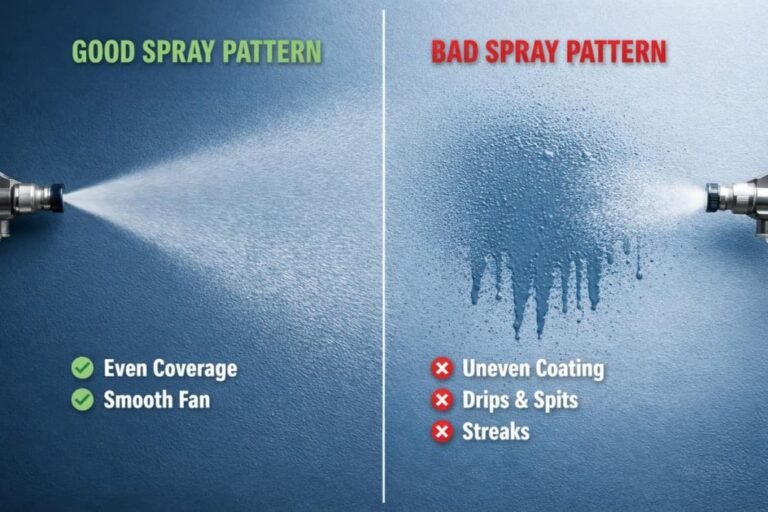
A good spray gun wide spray pattern looks like an even oval or rectangle. The center should not be much darker or wetter than the sides. The outer edges should carry enough material to blend into the next pass.
If the pattern is too narrow, open the fan control slightly. If the pattern is too wide for the job, close it until the fan matches the surface.
Pressure changes can affect the pattern as well. Too little air may create large droplets and poor atomization. Too much air can create overspray, dry spray, and bounce-back.
The Main Settings That Control Spray Width
Several gun settings work together. Changing one setting often changes the others.
Fan control
The fan control changes the shape and width of the spray. A wider setting creates a larger coverage area. A narrower setting gives more control in tight spaces.
Fluid control
The fluid control changes how much coating leaves the gun. Too much fluid can create runs, sags, and a heavy center. Too little fluid can create a dry, rough finish.
Air pressure
Air pressure helps atomize the coating. The correct pressure depends on the gun type and material. Follow the equipment manual instead of relying on a single pressure number.
Fluid tip size
The tip must match the coating. Thin materials often need smaller tips. Thick materials may need larger tips to prevent poor flow and excessive thinning.
Spray distance
Distance changes how much material reaches the surface. Holding the gun too close can cause wet spots. Holding it too far away can cause dry spray and weak coverage.
A useful rule is to change only one setting at a time. This makes troubleshooting much easier. If you change pressure, fluid, fan width, and distance together, you may not know which change solved or caused the problem.
How to Use a Wide Spray Pattern Correctly
Good technique matters as much as the gun settings. Keep the gun square to the surface and move your whole arm instead of bending your wrist.
Use this basic method:
- Start moving the gun before pulling the trigger.
- Pull the trigger fully during the pass.
- Keep the gun parallel to the surface.
- Maintain a steady distance.
- Release the trigger just before stopping the movement.
- Overlap the next pass by about 50 percent.
This method prevents heavy spots at the beginning and end of each stroke. It also helps produce a consistent wet film.
A spray gun wide spray pattern should travel at a steady speed. Moving too slowly creates runs. Moving too quickly creates thin coverage and a rough texture.
For vertical surfaces, many painters spray in horizontal passes. For long horizontal surfaces, vertical passes may feel more natural. The best direction is the one that lets you keep the gun square and maintain a constant speed.
Do not swing the gun in an arc. An arcing motion changes the distance from the surface. The center may become heavy while the edges become light.
Wide Pattern Problems and Their Causes
A poor spray pattern often points to a dirty gun, incorrect settings, or a mismatch between the coating and the equipment.
Heavy center
A heavy center can result from low air pressure, too much fluid, a clogged air cap, or a fluid tip that is too large. Reduce fluid flow and inspect the air cap before increasing pressure.
Heavy edges
Heavy edges may indicate excessive air pressure or a partially blocked fluid tip. Clean the air cap and check that the fluid needle moves freely.
Narrow or uneven fan
A narrow fan may come from a blocked fan hole or low air supply. Remove the air cap and clean it with the recommended tools. Never use a hard wire that can damage the air holes.
Dry spray
Dry spray happens when droplets lose too much solvent before reaching the surface. The gun may be too far away, the pressure may be too high, or the coating may dry too quickly.
Runs and sags
Runs usually come from slow movement, excess fluid, a close spray distance, or too much overlap. Allow the surface to dry as directed, then sand and recoat if needed.
One mistake I see often is trying to fix every problem by raising air pressure. That may make the pattern look wider, but it can also increase overspray and create a rough finish. Clean the gun and check fluid flow first.

Choosing the Right Gun for a Wide Pattern
The best spray gun depends on the coating and the size of the work. A small detail gun may produce excellent control but may not cover a large panel efficiently.
Consider these factors:
• Gun type, such as HVLP, LVLP, airless, or air-assisted airless
• Recommended fluid tip range
• Available compressor capacity
• Coating thickness and drying speed
• Surface size and shape
• Desired finish quality
HVLP guns use a high volume of air at lower pressure. They can offer good control and reduced overspray, but they may require a strong compressor. LVLP guns often use less air, which can help users with smaller compressors.
Airless sprayers can cover large areas quickly and handle many thick coatings. However, they produce a different spray feel and require careful pressure control. They can also create serious injection hazards.
Check the manufacturer’s instructions for tip size, pressure, thinning, and cleaning. Product labels and technical data sheets are more reliable than general online advice because coatings vary widely.
Wide Pattern Versus Narrow Pattern
A spray gun wide spray pattern covers more area, while a narrow pattern offers more control. Neither pattern is always best.
Choose a wide pattern for:
• Large flat surfaces
• Fast production work
• Broad panels with few obstacles
• Projects where consistent overlap is easy
Choose a narrow pattern for:
• Edges and corners
• Small repairs
• Thin trim
• Chair legs and spindles
• Detailed or irregular shapes
A wide pattern can waste material when used on a small object. A narrow pattern can make large surfaces slow to finish and may increase overlap marks.
Many experienced painters change the pattern during one project. They may use a wide fan on the center of a cabinet door, then reduce the width near the edges. This approach combines speed with control.
How to Reduce Overspray With a Wide Pattern
Overspray is the fine mist that travels beyond the target surface. A wide spray pattern can increase overspray if pressure, distance, or ventilation is poorly controlled.
Use these steps to reduce it:
• Use the lowest pressure that still produces proper atomization.
• Keep the gun close to the recommended distance.
• Match the fan width to the surface.
• Mask nearby areas with suitable plastic and tape.
• Use proper booth or work-area ventilation.
• Avoid spraying in strong wind.
• Keep the gun square to the surface.
• Use the correct reducer or thinner for the coating.
Do not confuse low overspray with low risk. Paint mist can affect your lungs, eyes, skin, and nearby surfaces. Use the safety equipment listed on the coating label and follow workplace rules.
A wide pattern is not a replacement for proper masking. Fine particles can travel farther than expected, especially with high pressure or fast-drying products.
Safety Tips for Spray Gun Use
Spray coatings can contain solvents, pigments, and other chemicals that require careful handling. Read the safety data sheet and product label before spraying.
Important precautions include:
• Wear an approved respirator suited to the product.
• Use chemical-resistant gloves and eye protection.
• Provide mechanical ventilation when required.
• Keep sparks, flames, and smoking materials away from flammable coatings.
• Ground equipment when the product and system require it.
• Never point a spray gun at yourself or another person.
• Relieve pressure before cleaning or servicing an airless sprayer.
• Store coatings in approved containers.
High-pressure airless equipment can inject material under the skin. This is a medical emergency, even when the wound looks small. Seek immediate medical help after any suspected injection injury.
A spray gun wide spray pattern can also make a work area foggy faster than expected. Stop if visibility drops or if the ventilation system cannot control the mist.
Cleaning and Maintenance
A clean gun produces a more stable spray pattern. Even a small amount of dried coating in the air cap can distort the fan.
Clean the gun after each use:
- Empty unused coating into the correct container.
- Flush the fluid passage with the recommended cleaning liquid.
- Remove and clean the air cap.
- Clean the fluid tip and needle.
- Wipe the gun body and fluid cup.
- Inspect seals, filters, and hoses.
- Reassemble the gun correctly.
Avoid soaking parts that the manufacturer says should not be immersed. Also avoid using tools that scratch the tip or enlarge air holes.
Before the next job, check the hose, fittings, trigger, and cup seal. A small air leak can change atomization and make the spray pattern unstable.
Regular cleaning saves time. A few minutes after spraying can prevent a long repair session later.
Practical Tips for a Better Finish
Small habits often produce the biggest improvement.
• Strain the coating before filling the cup.
• Mix the product according to the technical data sheet.
• Test on scrap material first.
• Use consistent lighting so you can see wetness and texture.
• Keep a written record of pressure, tip size, and thinning.
• Let each coat flash or cure as directed.
• Sand only when the coating is ready for sanding.
• Keep the gun moving before and during each pass.
One useful habit is to make a test panel before starting the main work. Spray the same material on the same type of surface, then inspect it under the lighting used in the final area.
Do not chase a perfect finish by adding more paint. A finish that looks slightly light may level as it dries, while a heavy coat may sag or trap solvent.
If the coating behaves badly, pause and diagnose the cause. The problem may be temperature, humidity, material age, surface contamination, or incorrect mixing rather than the spray gun itself.
Frequently Asked Questions About Spray Gun Wide Spray Pattern
What does a wide spray pattern do on a spray gun?
A wide spray pattern spreads coating across a larger area with each pass. It can speed up work and reduce the number of passes on broad, flat surfaces.
How wide should a spray gun pattern be?
The pattern should match the size and shape of the surface. Use a wide fan for large panels and a narrower fan for trim, edges, corners, and small parts.
Why is my spray gun wide spray pattern uneven?
An uneven pattern may result from a dirty air cap, blocked fluid tip, incorrect pressure, poor fluid flow, or an air leak. Clean the gun first, then adjust one setting at a time.
Can a wide spray pattern cause runs?
Yes. Runs can occur when the gun moves too slowly, the fluid flow is too high, or the gun is held too close. Keep a steady speed and use overlapping passes without lingering in one spot.
What pressure is best for a wide spray pattern?
There is no single pressure that works for every gun and coating. Begin with the manufacturer’s recommended range and use the lowest pressure that creates smooth, even atomization.
Is a wide spray pattern better for walls?
A wide pattern can work well on large walls when the sprayer, coating, and ventilation are suitable. Test first, protect nearby areas, and maintain a steady distance to avoid uneven coverage.
How do I make a spray pattern wider?
Use the fan adjustment control, if your gun has one, and test the result on cardboard. Do not widen the fan by simply increasing air pressure, because this can create excess overspray and dry spray.
Conclusion
A spray gun wide spray pattern can improve speed, coverage, and finish quality when it matches the surface and coating. The best results come from balanced pressure, correct fluid flow, proper distance, steady movement, and a clean gun.
Test the pattern before every major job, change one setting at a time, and use a narrower fan when working near edges or small details. With practice, your spray passes will feel more like smooth brush strokes than a cloud of paint.
Use these tips on your next project, and share your own spray gun techniques or questions in the comments.